EmbeddingGemma 2: an open, lightweight multimodal embedding model
deepmind.google·6d ago
TL;DR
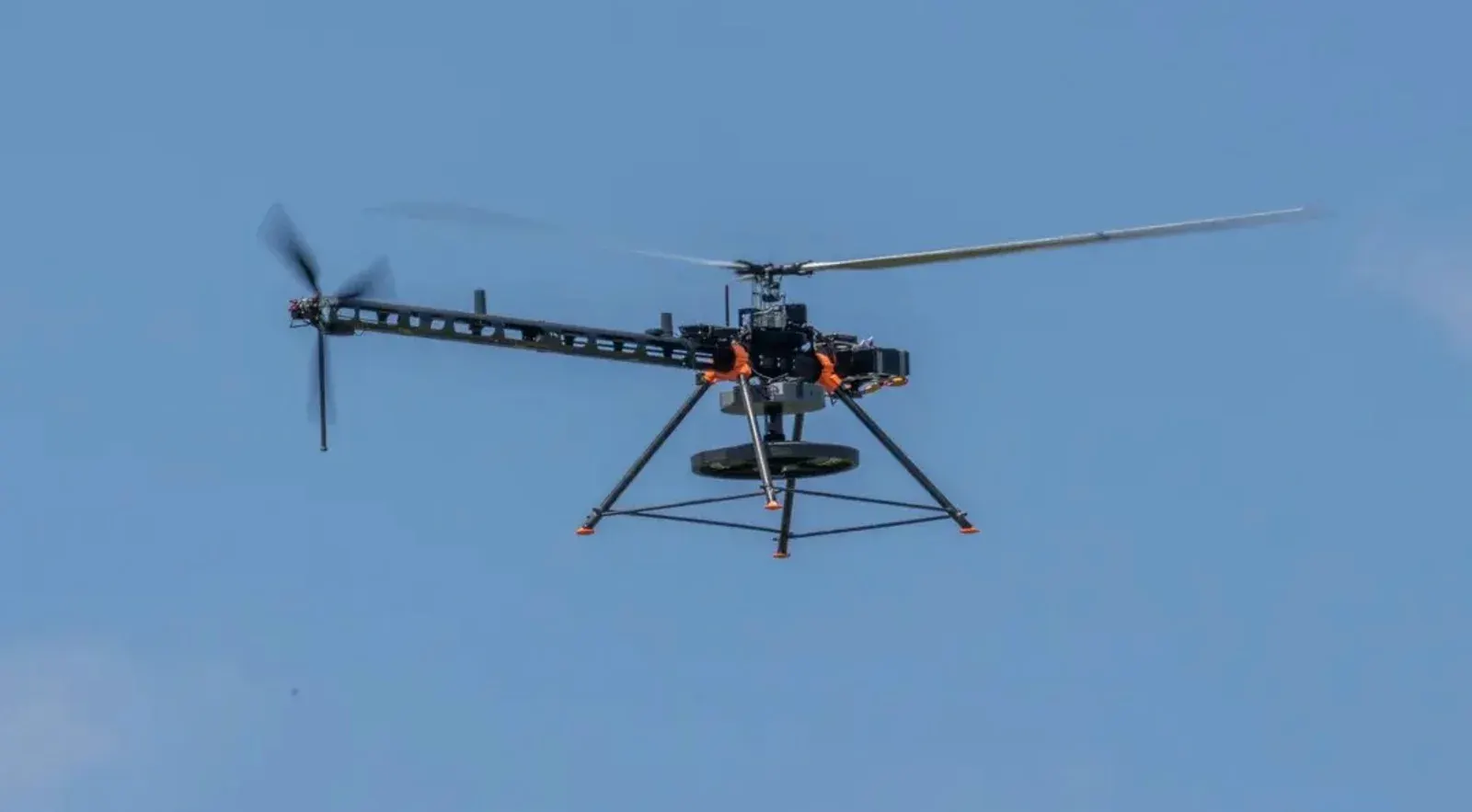
Avidrone Inc. won the DARPA Lift Challenge with its Katana helicopter, achieving a 3.84:1 payload-to-weight ratio, the highest in the competition. Despite this success, the team received a reduced prize due to not meeting the 4:1 target set by DARPA.
✦ Why It Matters
Consider exploring battery-electric propulsion designs for your next drone project to enhance payload efficiency.
Key Takeaways
Full Summary
Avidrone Inc. triumphed in the DARPA Lift Challenge with its Katana, a conventional single-main-rotor helicopter weighing 13.3 kg (29.3 pounds) that successfully lifted 51 kg (112.4 pounds) of cast iron. This resulted in a payload-to-weight ratio of 3.84:1, the best of the competition, although it fell short of the 4:1 target required for full prize payouts.
The challenge saw 61 teams compete over seven days, with Avidrone earning $1.25 million instead of the advertised $2.5 million. The winning design utilized battery-electric propulsion and traditional rotorcraft design, demonstrating that larger rotor disks are more efficient for lifting heavy payloads.
The competition highlighted the challenges of energy storage, as many teams attempting to exceed the 4:1 ratio failed due to battery limitations. DARPA's innovative prize structure effectively incentivized performance improvements in heavy-lift drone technology.
Related