EmbeddingGemma 2: an open, lightweight multimodal embedding model
deepmind.google·6d ago
TL;DR
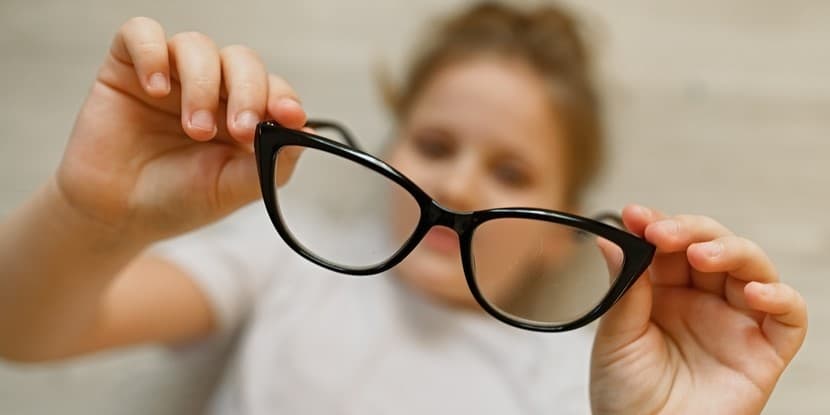
The American Medical Association has officially classified nearsightedness as a disease, advocating for insurance coverage for treatments that can slow its progression in children. This shift aims to improve public health education and screening for myopia, which affects a growing percentage of the population.
✦ Why It Matters
Advocate for insurance coverage for myopia treatments in your local healthcare policy discussions.
Key Takeaways
Full Summary
Nearsightedness, or myopia, has been reclassified as a disease by the American Medical Association to ensure children receive necessary treatments and insurance coverage. This decision aligns with a global initiative by the American Academy of Ophthalmology, which highlighted the rising prevalence of myopia, now affecting 41.6% of Americans.
The World Health Organization warns that by 2050, half of the global population could be nearsighted, with severe cases leading to significant vision loss. Various FDA-approved treatments, such as Essilor Stellest eyeglasses and low-dose atropine eye drops, have shown promise in slowing myopia progression.
However, awareness of these treatments remains low among parents and educators, and insurance coverage is often lacking. The Academy is advocating for better vision screening and early intervention through legislative support, aiming to prioritize children's eye health.
Related