EmbeddingGemma 2: an open, lightweight multimodal embedding model
deepmind.google·6d ago
TL;DR
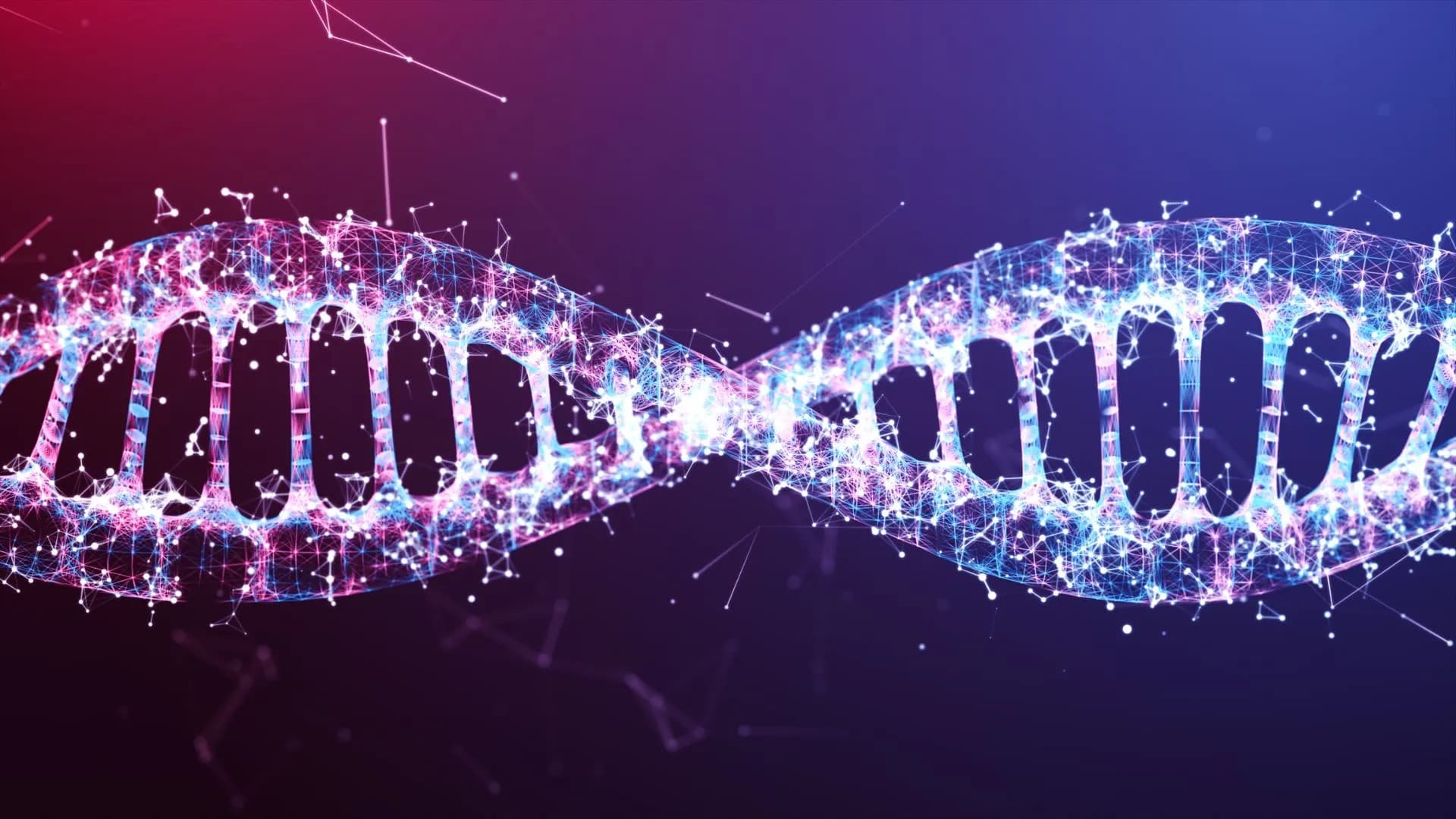
Researchers at Maynooth University have developed a groundbreaking DNA computer capable of performing basic arithmetic operations like addition, subtraction, multiplication, and division. This advancement demonstrates the potential of DNA-based systems for computation, moving beyond traditional electronic microchips.
✦ Why It Matters
Explore DNA computing for innovative solutions in data storage and processing today.
Key Takeaways
Full Summary
A team from Maynooth University in Ireland has created one of the fastest and most complex DNA computers to date, capable of executing mathematical operations traditionally handled by electronic microchips. This innovative system utilizes strands of DNA within a salt-water droplet, employing a long DNA scaffold and heat to initiate calculations without the need for continuous electricity.
The computer can perform basic arithmetic functions such as addition, subtraction, multiplication, and division. This research highlights a significant step towards biological computing, where digital information is encoded in the arrangements of the four core genetic bases: Adenine, Cytosine, Guanine, and Thymine.
Other institutions, like Caltech, have also explored DNA-based systems, including a molecular artificial neural network for recognizing handwritten digits. The implications of this work suggest a future where biological materials could replace traditional silicon-based computing.
Related