EmbeddingGemma 2: an open, lightweight multimodal embedding model
deepmind.google·6d ago
TL;DR
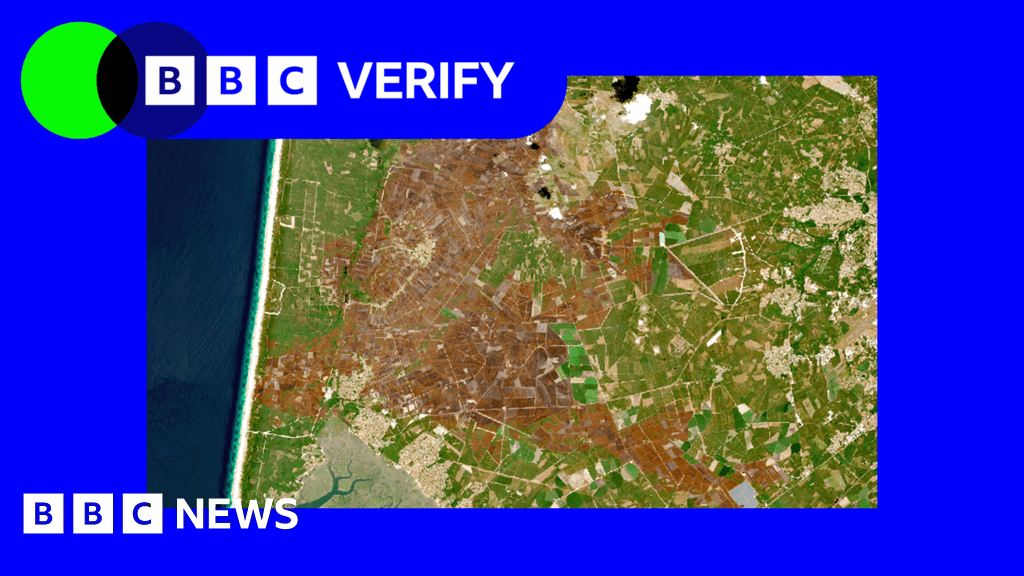
Satellite images reveal the severe impact of this summer's heatwaves on western Europe, showing drought-stricken landscapes, retreating glaciers, and significant wildfires. The EU's Copernicus service confirms record-high temperatures, exacerbated by climate change.
✦ Why It Matters
Evaluate your local climate impact and consider sustainable practices to mitigate future heatwave effects.
Key Takeaways
Full Summary
Western Europe has experienced unprecedented heatwaves this summer, leading to visible changes in landscapes as captured by satellite imagery. The Copernicus climate monitoring service reported the hottest June-to-July period on record, with persistent high-pressure systems causing extreme temperatures.
Rivers like the Danube have reached their lowest levels in 30 years, revealing historical artifacts and forcing nuclear power stations to reduce operations. Glaciers in the Alps are melting at alarming rates, with some retreating over 50 meters since last year.
Wildfires have devastated over 90,000 hectares in France alone, with conditions becoming increasingly favorable for such events due to climate change. The Normalised Difference Vegetation Index (NDVI) indicates widespread vegetation stress across much of Europe, raising concerns for agriculture and food production.
Related