Reimagining service delivery in the agentic era with Google Public Sector
cloud.google.com·1d ago
TL;DR
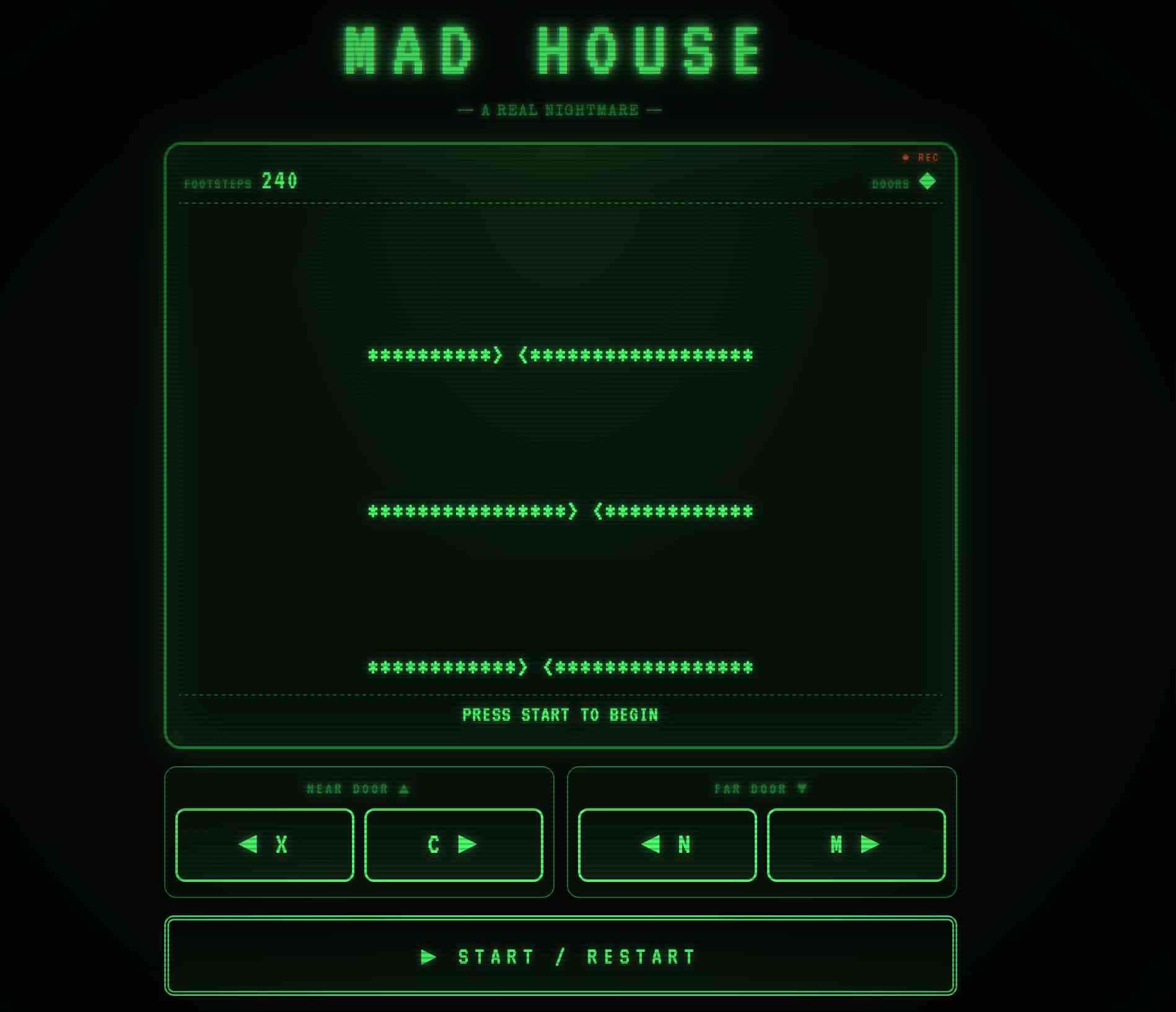
Usborne published free PDFs of 1980s computer programming books containing typed-in game code, but these games existed only as printed BASIC listings. Simon Willison used Claude (an AI assistant) to convert the "Mad House" game from a 1983 book into an interactive JavaScript and HTML implementation.
✦ Why It Matters
Engineers can leverage LLMs to rapidly port legacy code to modern platforms, reducing manual translation effort and preserving historical software.
Key Takeaways
Full Summary
Usborne, a UK publisher, has released free PDFs of their 1980s computer books, which include engaging projects for early personal computers. Among these is 'Creepy Computer Games', featuring the game 'Mad House', which many recall fondly.
Using the PDF, a developer utilized Claude, an AI model, to generate an interactive version of 'Mad House' in JavaScript and HTML. The game was designed to be mobile-friendly and maintain a retro aesthetic, appealing to both nostalgic players and new audiences.
This project not only revives a classic game but also demonstrates the potential of AI in transforming historical content into modern applications. The outcome is a blend of nostalgia and technology, showcasing how past innovations can inspire current programming practices.
Related