EmbeddingGemma 2: an open, lightweight multimodal embedding model
deepmind.google·6d ago
TL;DR
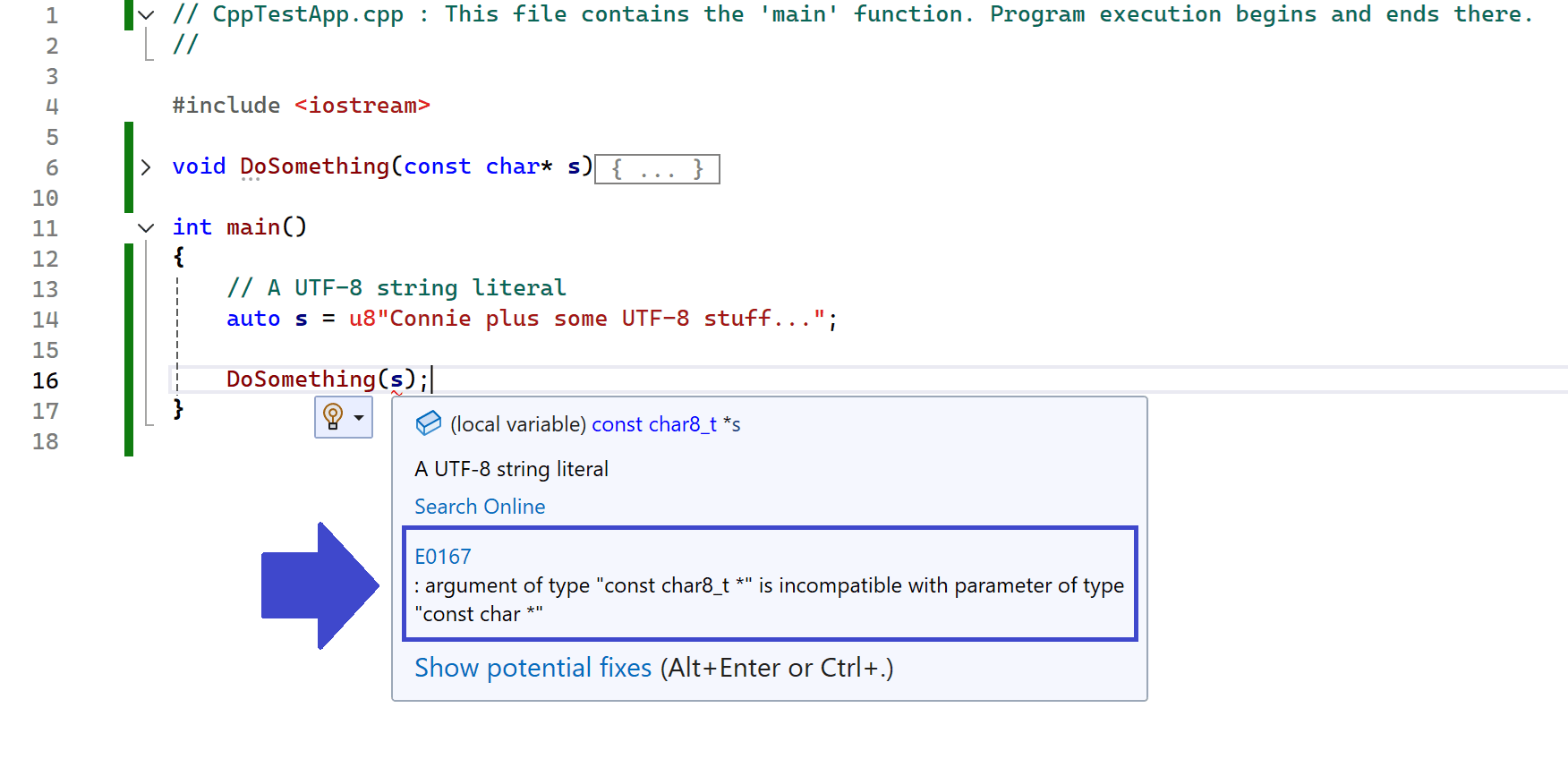
C++20 introduces u8 and char8_t, breaking backward compatibility with C++17. Code that compiles in C++17 may fail in C++20, highlighting compatibility issues.
✦ Why It Matters
Review your code for compatibility issues before upgrading to C++20 to avoid compilation errors.
Key Takeaways
Full Summary
C++ has a reputation for maintaining backward compatibility across versions, but this is not always true. A notable example is the introduction of u8 and char8_t in C++20, which can lead to compilation failures for code that previously worked in C++17.
This change reflects a broader trend where new features can disrupt existing codebases. Developers updating to C++20 may encounter unexpected errors, necessitating code adjustments.
The implications are significant for teams relying on legacy code, as they must evaluate the impact of upgrading their C++ standard. Understanding these changes is crucial for maintaining code functionality and ensuring smooth transitions between versions.
Related