BerriAI / litellm
github.com·3d ago
TL;DR
Learn how to effectively copy objects in Python using the built-in copy module, distinguishing between shallow and deep copies. Understanding these concepts ensures that your object duplications behave as intended in your code.
✦ Why It Matters
Implement shallow or deep copies in your code today to prevent unintended data modifications.
Key Takeaways
Full Summary
Copying objects in Python is essential for maintaining the integrity of original data while creating duplicates. The built-in copy module provides two primary methods: shallow copy and deep copy.
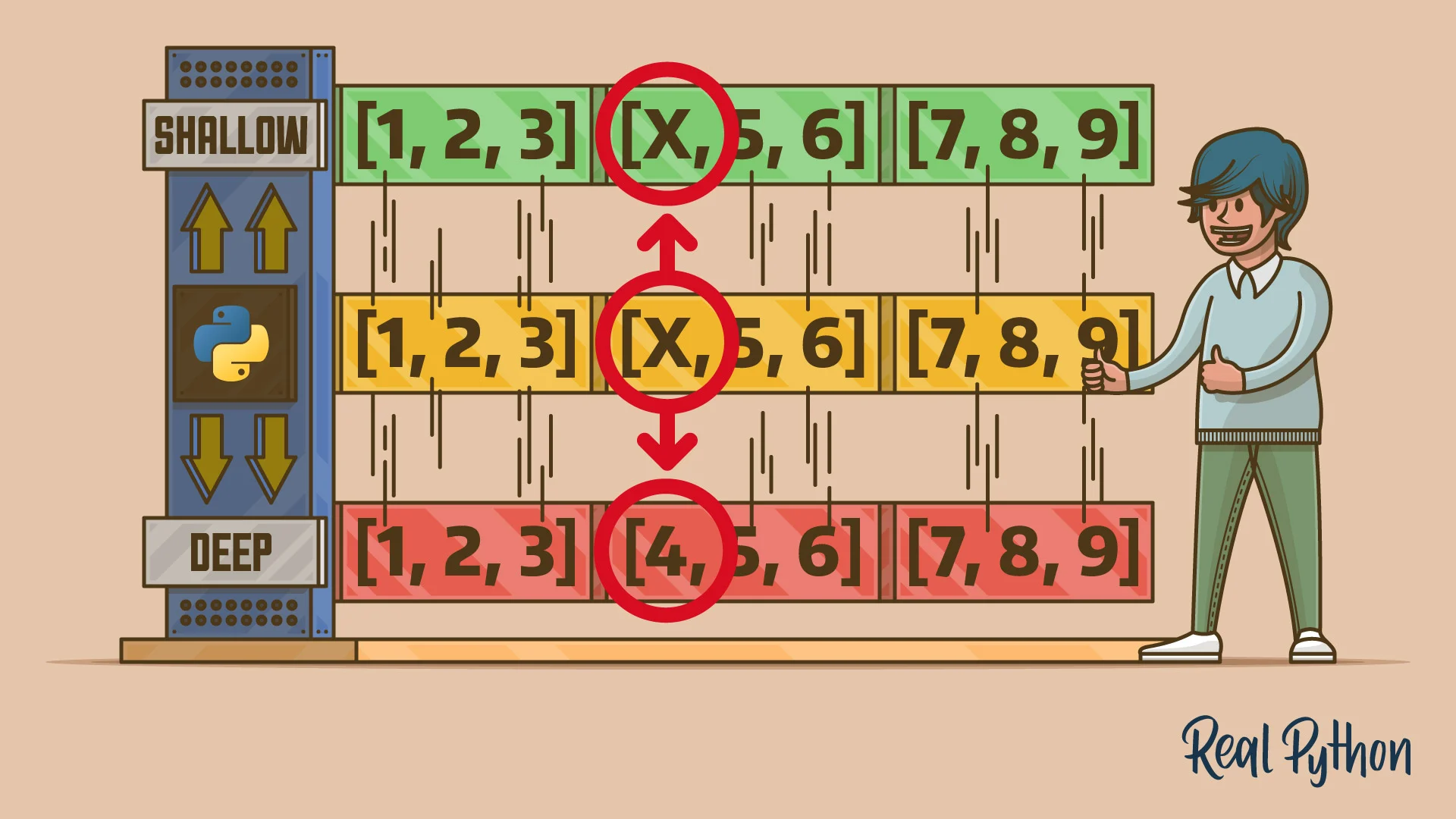
A shallow copy creates a new object but shares references to the nested objects within, meaning changes to nested objects will affect both the original and the copy. In contrast, a deep copy duplicates all objects recursively, ensuring that the new object is entirely independent of the original.
Practical examples illustrate these differences, helping developers choose the appropriate method for their needs. By mastering these techniques, programmers can avoid unintended side effects in their applications.