Announcing MCP Toolbox Java SDK v1.0: Agentic data access for the enterprise
cloud.google.com·6d ago
TL;DR
Percona CEO Peter Farkas emphasizes the importance of distinguishing between 'open weights' and 'open source' in AI, arguing that the latter should maintain its traditional freedoms. As AI models increasingly rely on open weights, the risk of 'open washing' threatens the integrity of open source definitions.
✦ Why It Matters
Evaluate AI models critically to ensure they meet true open source standards before adoption.
Key Takeaways
Full Summary
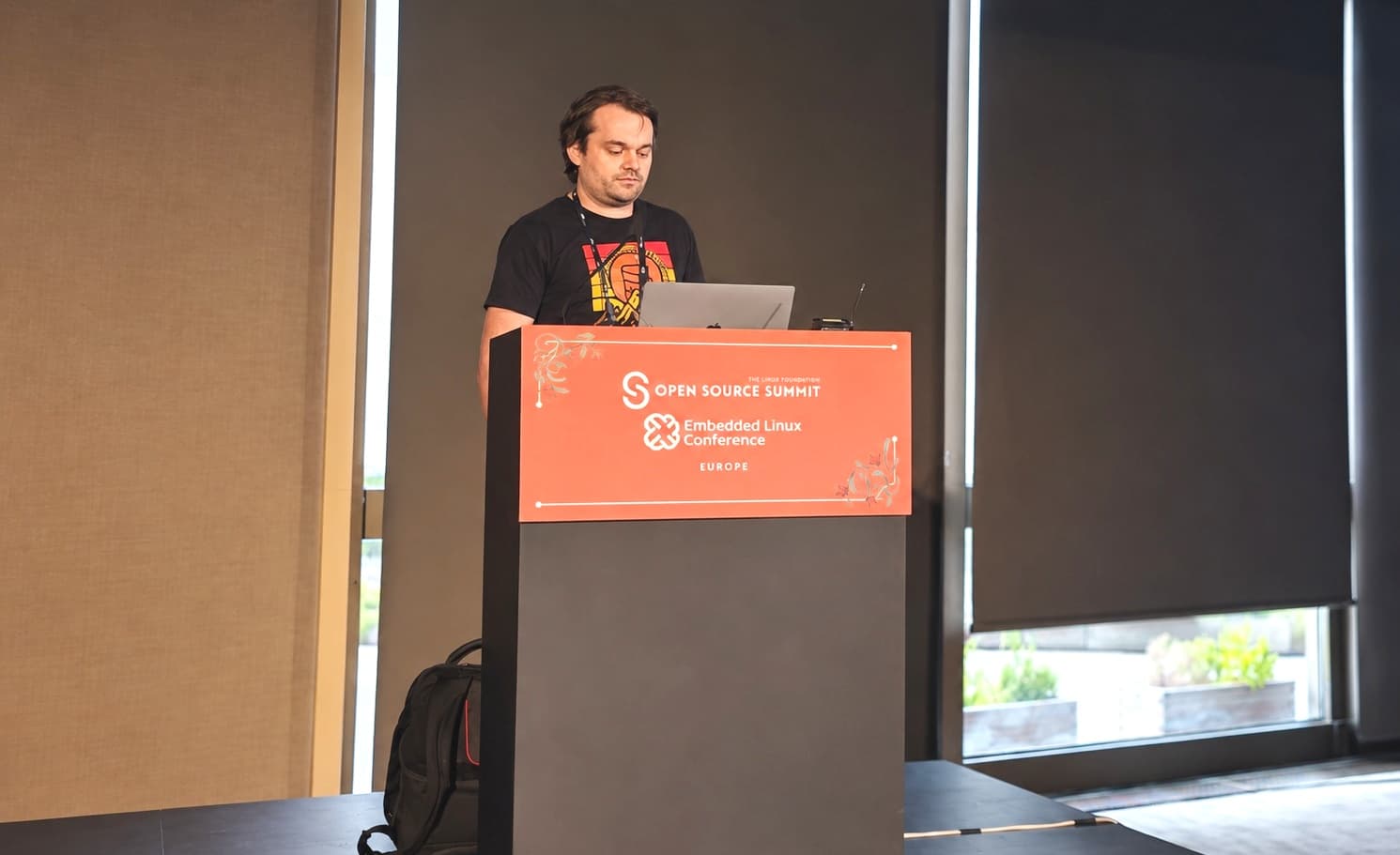
Peter Farkas, CEO of Percona, urges the AI community to differentiate between 'open weights'—the numerical parameters of AI models—and 'open source,' which traditionally includes access to source code and training data. At the Open Source Summit Europe, he highlighted that while open weights allow developers to run models, they do not provide the transparency needed for trust and improvement.
This distinction is crucial as open-weight models accounted for over half of token processing in recent months. James Landay from Stanford supports this view, stating that open weights only answer if a model can be run, not if it can be trusted or modified.
Companies like Xiaomi are pushing boundaries by releasing more comprehensive resources, but the definition of open source AI remains contested. The Open Source Initiative is revisiting its criteria to ensure clarity and maintain the integrity of open source principles.
Related