EmbeddingGemma 2: an open, lightweight multimodal embedding model
deepmind.google·6d ago
TL;DR
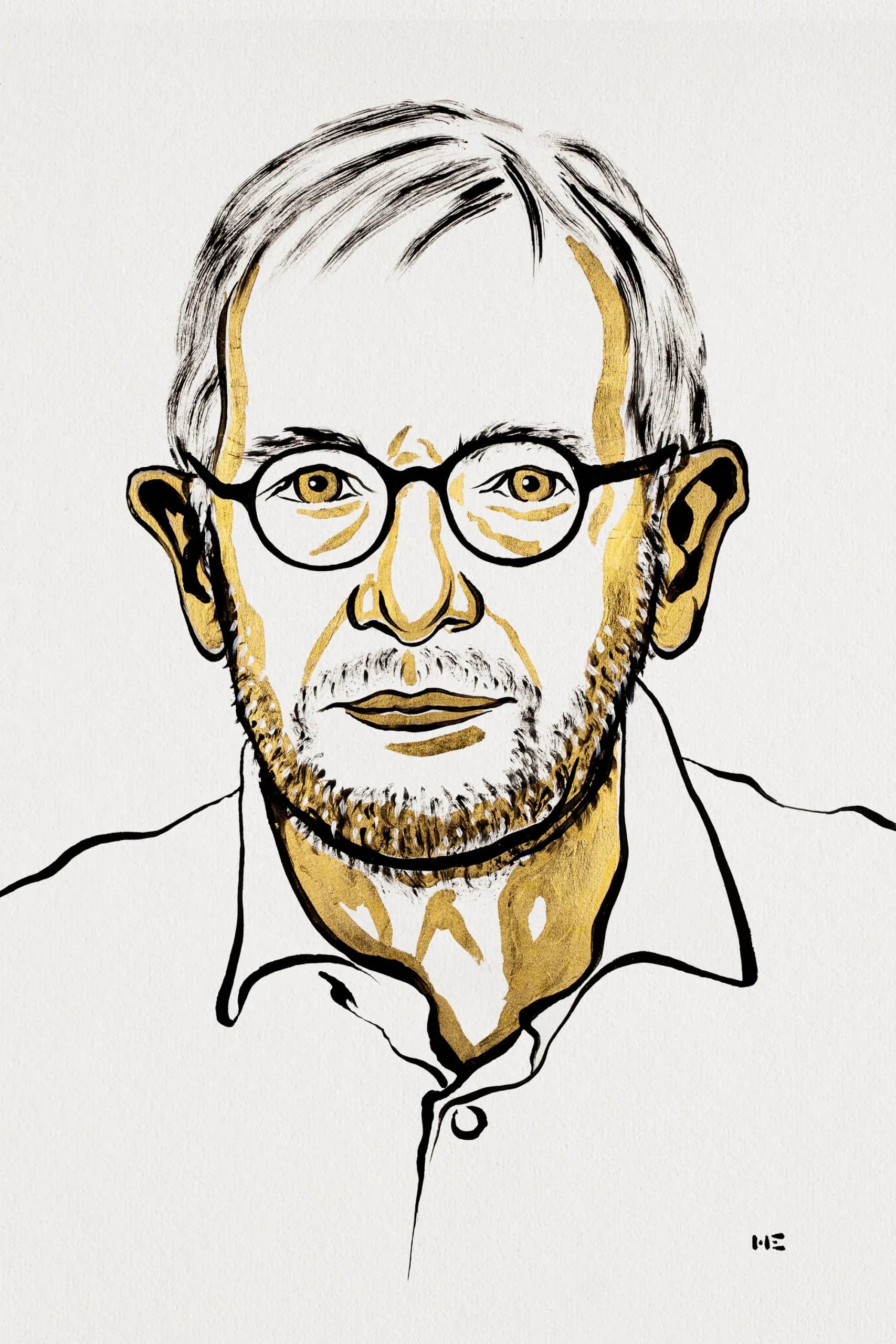
Francis Halzen received the 2026 Nobel Prize in Physics for his pivotal role in the IceCube Neutrino Observatory, leading to the discovery of high-energy neutrinos from astrophysical sources.
✦ Why It Matters
Explore neutrino research opportunities or collaborations in your local scientific community today.
Key Takeaways
Full Summary
Francis Halzen was awarded the Nobel Prize in Physics 2026 for his significant contributions to the IceCube Neutrino Observatory, a research facility located at the South Pole designed to detect neutrinos, which are nearly massless subatomic particles. The observatory utilizes a cubic kilometer of ice to capture high-energy neutrinos originating from cosmic events, such as supernovae and black holes.
Halzen's work was instrumental in identifying these neutrinos, which provide insights into the universe's most energetic phenomena. The discovery of these astrophysical neutrinos not only enhances our understanding of cosmic events but also opens new avenues for research in particle physics and astrophysics.
This achievement underscores the importance of interdisciplinary collaboration in advancing scientific knowledge. The implications of this work could lead to breakthroughs in understanding fundamental questions about the universe.
Related