EmbeddingGemma 2: an open, lightweight multimodal embedding model
deepmind.google·6d ago
TL;DR
Coding agents are rapidly advancing, leading to a transformation in product development processes. As verification and simulation become bottlenecks, traditional sequential workflows will be redefined.
✦ Why It Matters
Evaluate your current product development workflow to identify areas for integrating coding agents today.
Key Takeaways
Full Summary
As coding agents advance rapidly, traditional product development, which follows a sequential model (Idea -> Product -> Design -> Engineering -> QA -> Production), is being transformed. The new approach focuses on a loop defined as Intent -> Implementation -> Observed Result, where the emphasis is on empirical evidence of product changes rather than just code.
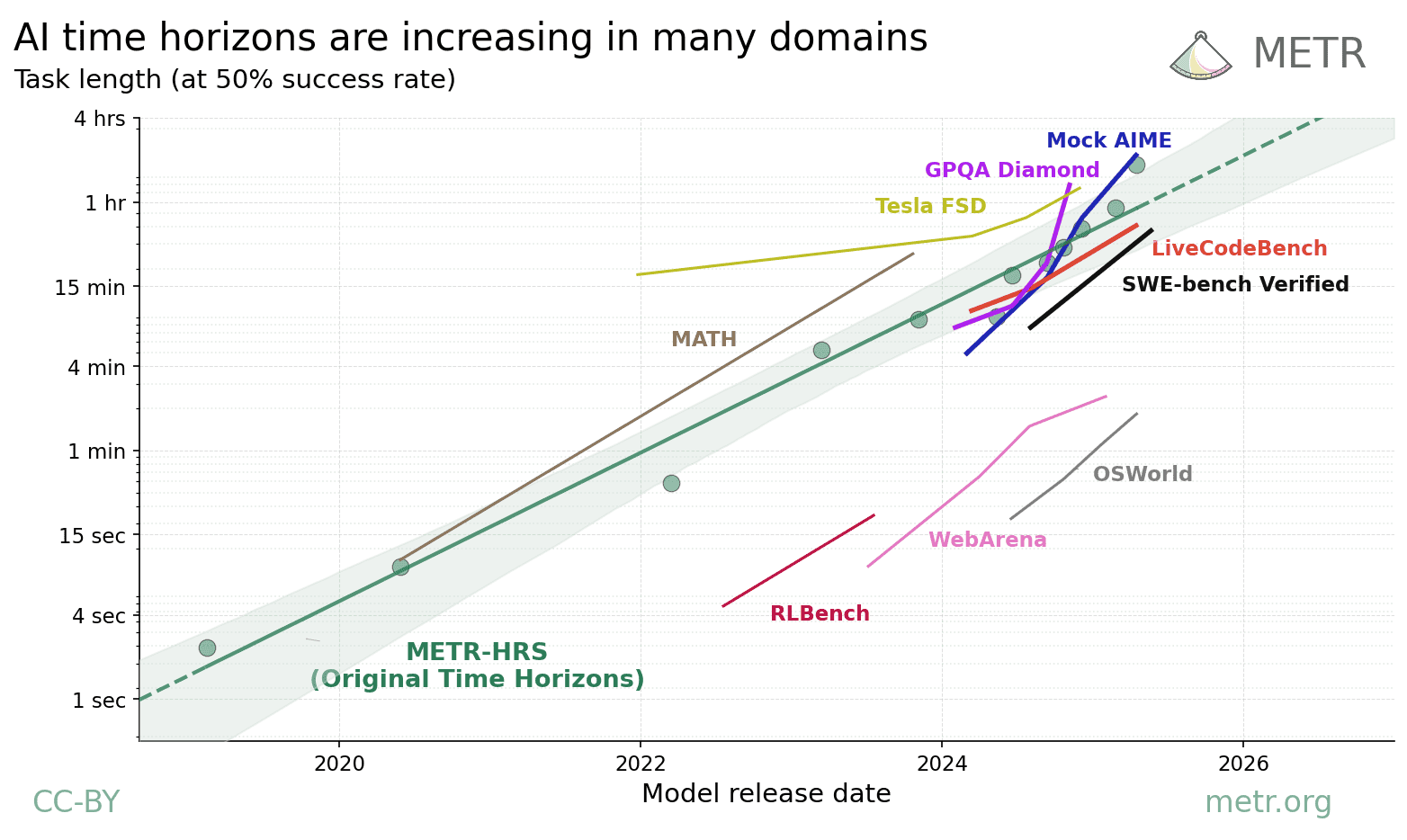
This shift is driven by the saturation of benchmarks and the need for runtime signals to inform development decisions. Companies are merging roles in design, engineering, and product management, reflecting a more integrated approach to development.
The importance of behavioral records tied to product changes is becoming clear, as these records provide insights that code alone cannot capture. Revyl is working on tools to facilitate this new development loop, aiming to enhance collaboration between existing tools like Figma and Codex.
Related