EmbeddingGemma 2: an open, lightweight multimodal embedding model
deepmind.google·6d ago
TL;DR
Oil prices have surged to record highs, with gasoline averaging $4.33, a 54% increase since January. Current oil stock levels are at their lowest since 1982, raising concerns about market stability.
✦ Why It Matters
Consider adjusting fuel budgets and strategies in response to rising oil prices and low stock levels.
Key Takeaways
Full Summary
Brent crude oil prices have increased by 40% since the pre-crisis level, closing at $105.68 on September 14. Diesel prices have skyrocketed to $6.27, marking a 68% rise since the war began.
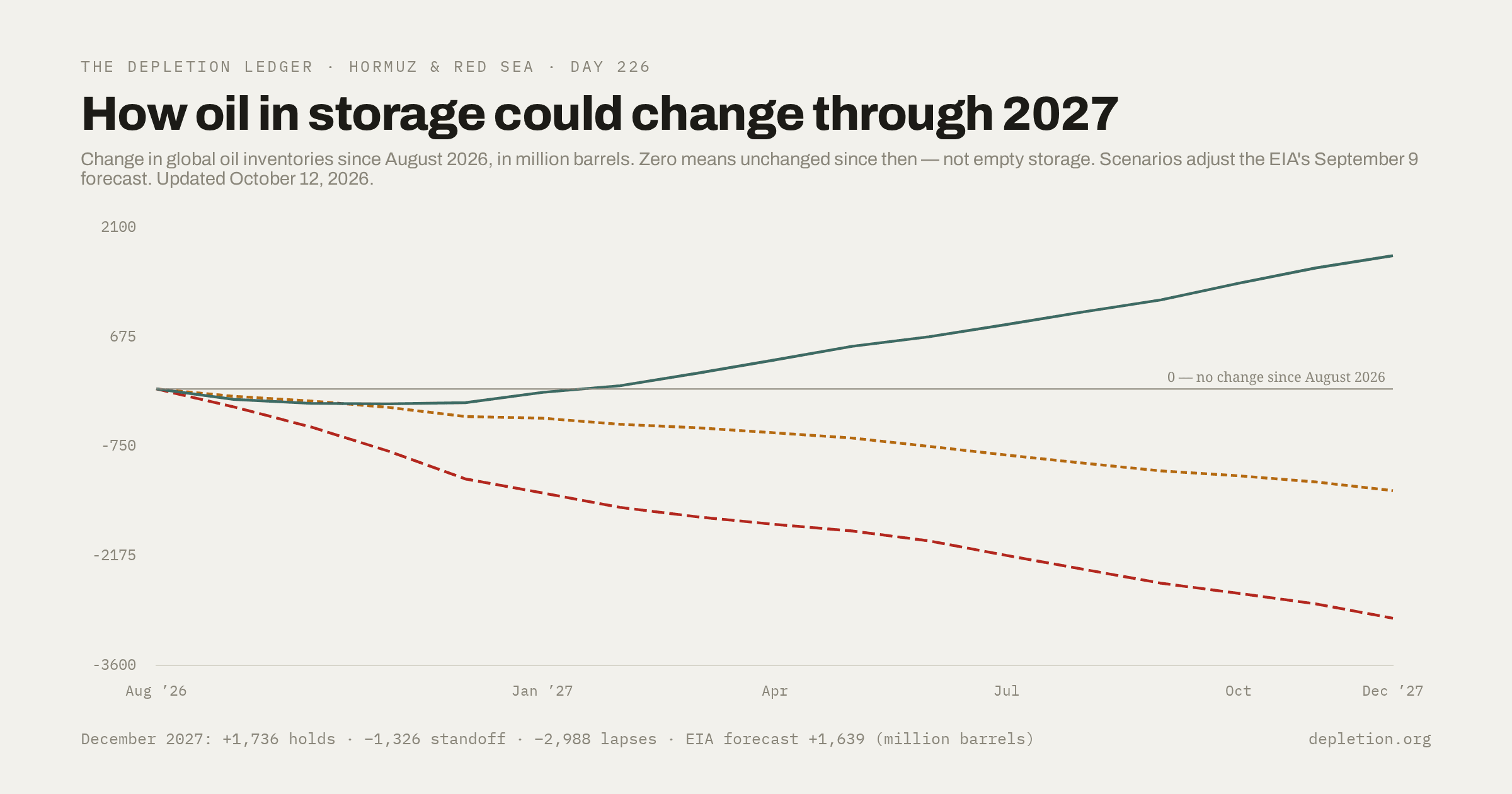
The U.S. Strategic Petroleum Reserve (SPR) has fallen to 285.4 million barrels, down 130.1 million barrels since the onset of the conflict, the lowest since December 1982.
Global oil production has decreased, with the International Energy Agency (IEA) estimating a supply loss of 5.7 million barrels per day. This situation is exacerbated by ongoing geopolitical tensions and refinery capacity issues, particularly in Europe and Asia.
As a result, the market is facing a potential supply shortfall, with implications for fuel prices and economic activity.
Related