EmbeddingGemma 2: an open, lightweight multimodal embedding model
deepmind.google·6d ago
TL;DR
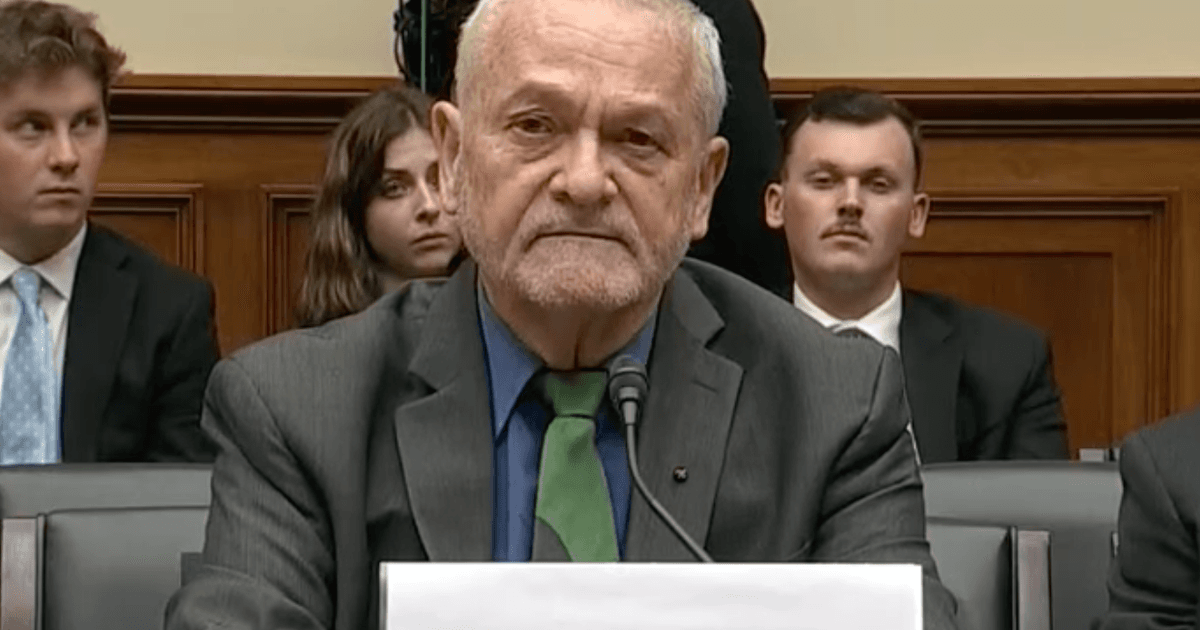
David Morens, a former NIH official, pleaded guilty to obstructing FOIA compliance, highlighting a stark contrast in the DOJ's handling of transparency violations across government officials.
✦ Why It Matters
Review your organization's FOIA compliance practices to ensure transparency and avoid legal repercussions.
Key Takeaways
Full Summary
David Morens, previously a senior official at the National Institutes of Health, admitted to conspiracy to defraud the U.S. by obstructing compliance with the Freedom of Information Act (FOIA). His actions included manipulating emails to evade FOIA requests, leading to a felony charge and potential prison time.
This case stands out as the Department of Justice (DOJ) typically treats FOIA evasion as a civil issue, not a criminal one, as seen in past high-profile cases. While Morens faces prosecution, the DOJ simultaneously defends systemic practices that hinder public access to records, such as the Energy Department's attempt to close FOIA requests without proper responses.
A federal judge recently ruled against this practice, emphasizing the need for agencies to adhere to FOIA's requirements. The article suggests that imposing financial penalties on agency leaders could be more effective in improving compliance than targeting individual offenders.
Related