BerriAI / litellm
github.com·3d ago
TL;DR
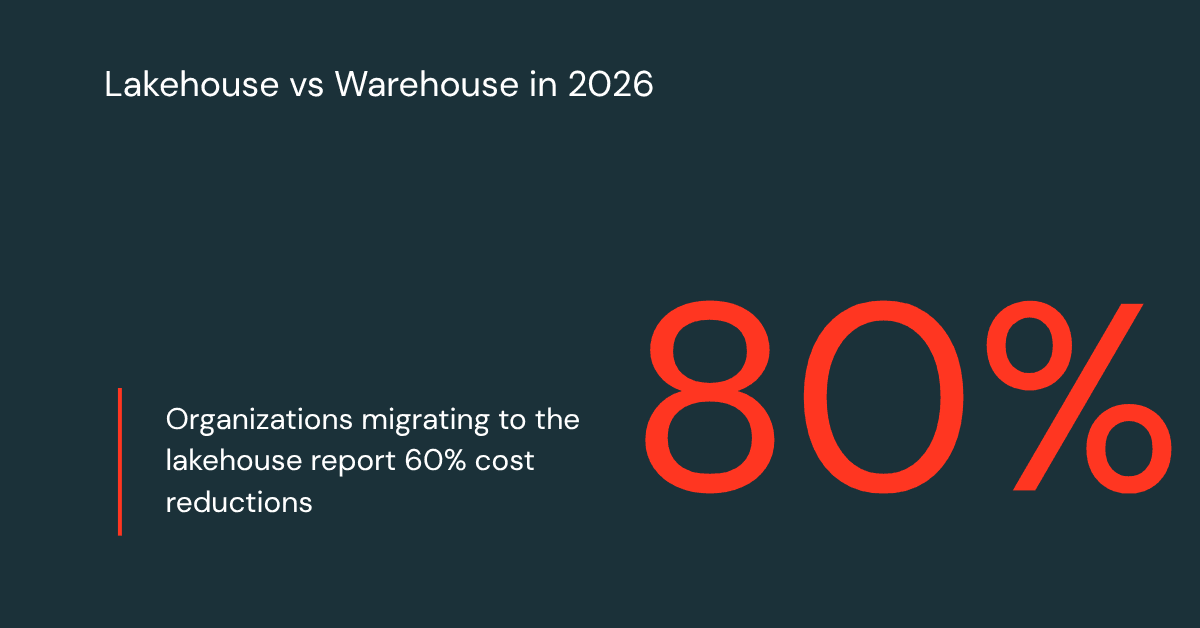
Lakehouses are emerging as superior data platforms compared to traditional data warehouses, effectively serving diverse workloads including BI, ML, and streaming. By 2026, lakehouses have demonstrated SQL performance improvements, making them competitive for dashboarding needs.
✦ Why It Matters
Consider transitioning to a lakehouse architecture to support diverse data workloads effectively.
Key Takeaways
Full Summary
Data warehouses have long been the go-to solution for structured data storage and SQL querying, primarily serving business intelligence (BI) analysts. However, as organizations evolve, they require data platforms that can accommodate a wider range of workloads, including machine learning (ML) models and streaming data.
The lakehouse architecture has been designed to meet these diverse needs from a single governed foundation. Databricks reported a significant performance boost, with SQL workloads running 77% faster in late 2024 compared to 2022, translating to a fourfold improvement in their Performance Index.
This index is based on billions of real-world queries across various workloads, not just synthetic tests. The findings suggest that lakehouses can now match or exceed the performance of traditional warehouses for dashboarding, making them a compelling choice for modern data strategies.