EmbeddingGemma 2: an open, lightweight multimodal embedding model
deepmind.google·6d ago
TL;DR
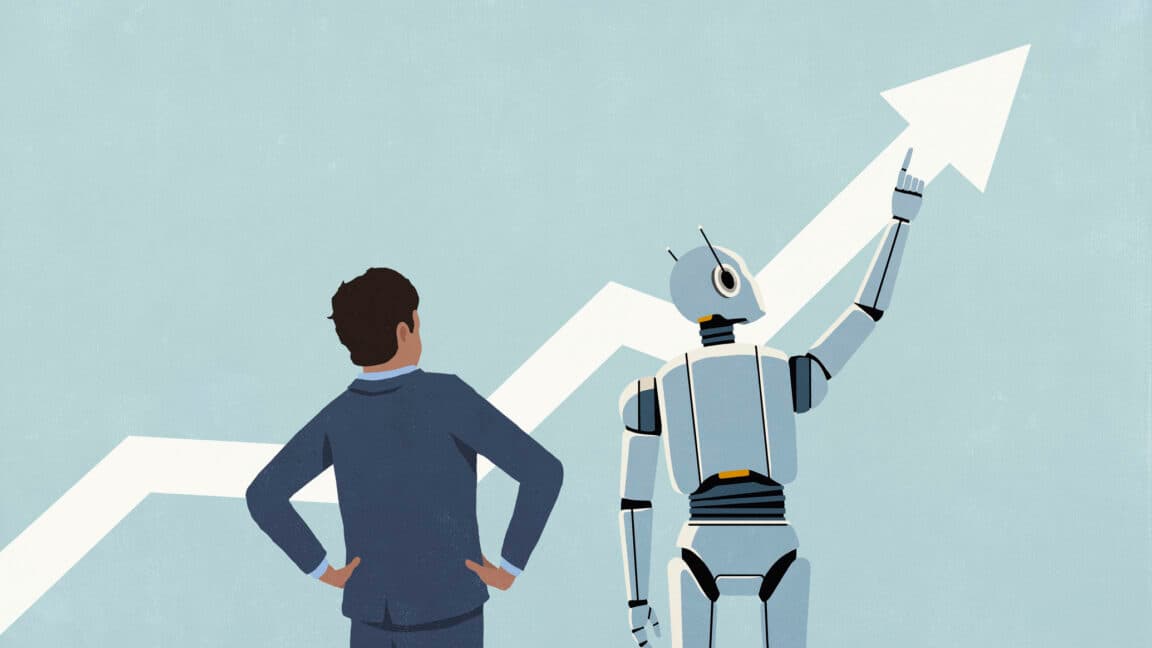
A Stanford study reveals that AI is significantly impacting entry-level jobs, with employment for workers aged 22 to 25 in AI-exposed fields down 19% compared to less exposed peers.
✦ Why It Matters
Evaluate your hiring strategies to prioritize roles less susceptible to AI disruption.
Key Takeaways
Full Summary
Research from Stanford University indicates that AI is causing notable job losses among younger workers, particularly in entry-level positions. The updated study, 'Canaries in the Coal Mine?
Six Facts about the Recent Employment Effects of Artificial Intelligence,' shows that employment levels for workers aged 22 to 25 in the most AI-exposed occupations have dropped 19% compared to those in less affected fields, an increase from a 13% gap identified last year. To assess the impact, researchers analyzed anonymized payroll data from ADP and evaluated occupations based on their exposure to AI disruption using established labor market impact metrics and the Anthropic Economic Index.
The findings suggest that while younger workers are facing significant challenges, older workers remain largely unaffected by these trends. This raises concerns about the long-term implications for the workforce and the need for strategies to support younger employees in adapting to an AI-driven job market.
Related