cline / cline
github.com·3d ago
TL;DR
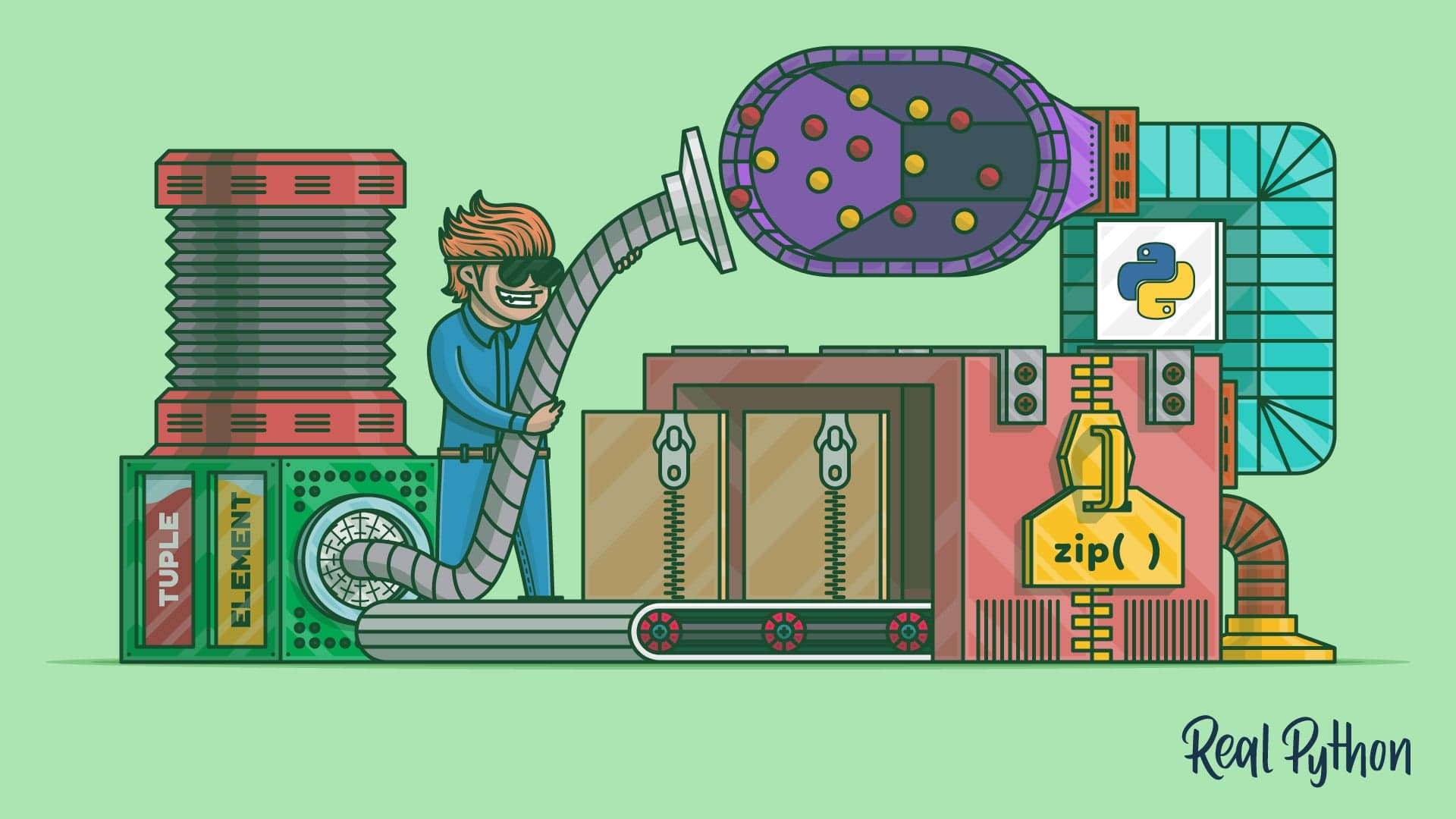
Many programmers struggle with efficiently iterating over multiple sequences simultaneously. The Python zip() function allows for parallel iteration by pairing elements from different iterables.
✦ Why It Matters
Engineers can leverage zip() to streamline their code when working with multiple data sequences.
Key Takeaways
Full Summary
The quiz focuses on the Python zip() function, which allows for parallel iteration over multiple iterables, such as lists or tuples. Participants will answer 11 questions that reinforce their understanding of how zip() pairs elements from these iterables, including strategies for dealing with iterables of different lengths.
Additionally, the quiz explores practical applications of zip() in conjunction with dict() for creating dictionaries and sorted() for ordering data. By engaging with this quiz, users can solidify their grasp of zip() and improve their coding efficiency.
The interactive format encourages learning through immediate feedback, with a maximum score of 100% available for correct answers. This resource is ideal for both novice and experienced Python developers looking to refine their skills.