EmbeddingGemma 2: an open, lightweight multimodal embedding model
deepmind.google·6d ago
TL;DR
Async Rust faces challenges like the scoped task trilemma, where developers must choose between concurrency, parallelism, and borrowing. Understanding these trade-offs is crucial for effective memory management.
✦ Why It Matters
Familiarize yourself with the scoped task trilemma to improve your async Rust implementations today.
Key Takeaways
Full Summary
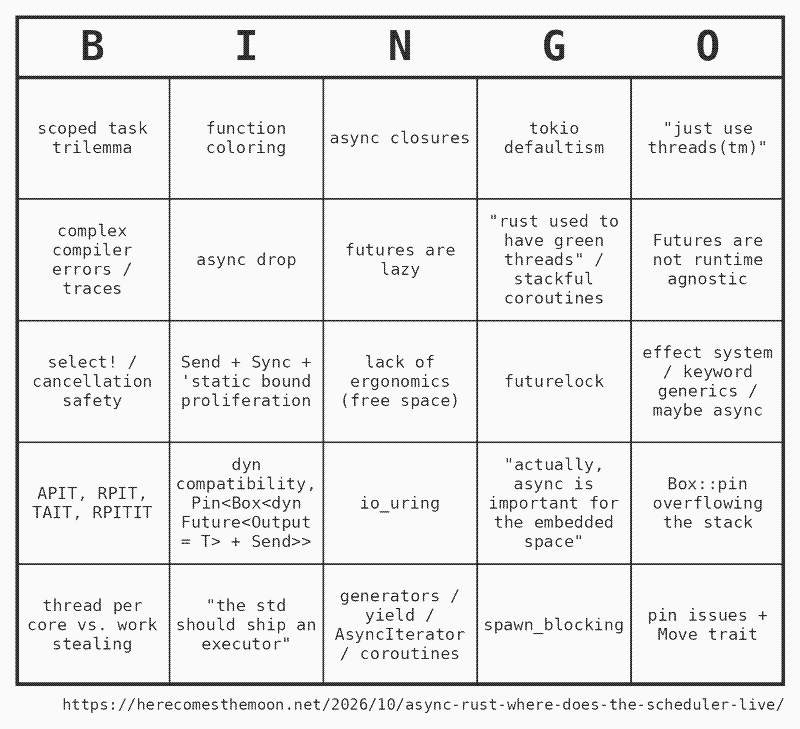
Async Rust programming has sparked numerous discussions, often highlighting its complexities and trade-offs. One significant issue is the scoped task trilemma, which posits that developers can only achieve two out of three goals: concurrency, parallelism, and borrowing.
This limitation stems from the potential for memory leaks, which can prevent destructors from executing properly, leading to data races. The original scoped threads API was particularly problematic in this regard.
To help readers navigate these challenges, the article provides a dropdown of suggested readings for further exploration. Engaging with these resources can enhance understanding of async Rust and its implications for memory safety and performance.
Related