Announcing Native BM25 Ranking in AlloyDB and Cloud SQL
cloud.google.com·18h ago
TL;DR
Web requests often face delays and inefficiencies due to complex architectures. The article explores the journey of a request through various components like load balancers, web servers, and databases.
✦ Why It Matters
Engineers can enhance application performance by optimizing each component in the web request flow.
Key Takeaways
How It Works
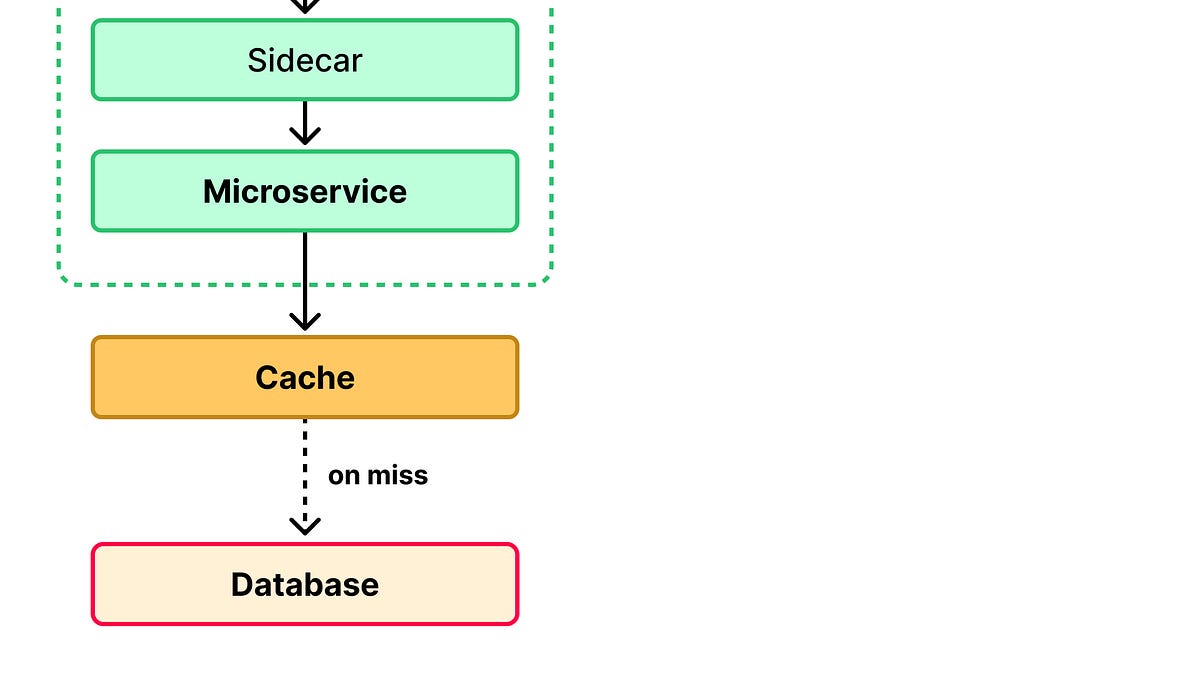
Each layer in modern web architecture is designed to handle specific tasks, such as load balancing, caching, and database interactions. For example, a load balancer distributes incoming requests across multiple servers to prevent any single server from becoming overwhelmed.
Caching layers store frequently accessed data to reduce the need for repeated database queries, significantly speeding up response times. This layered approach allows for efficient traffic management and minimizes latency, as each layer can process requests in parallel.
Related