BerriAI / litellm
github.com·3d ago
TL;DR
Databricks has enhanced the compute caching mechanism in Lakebase Postgres, optimizing data access speeds and improving overall performance. These improvements aim to reduce latency and increase throughput for data-intensive applications.
✦ Why It Matters
Evaluate your caching strategy to leverage these improvements for faster data access in your applications.
Key Takeaways
Full Summary
Lakebase Postgres utilizes a disaggregated storage model that allows for efficient data caching, crucial for high throughput and low latency when using object stores like S3. The caching occurs at two levels: in distributed storage for high write throughput and on the Postgres compute side for ultra-fast access to frequently used data pages.
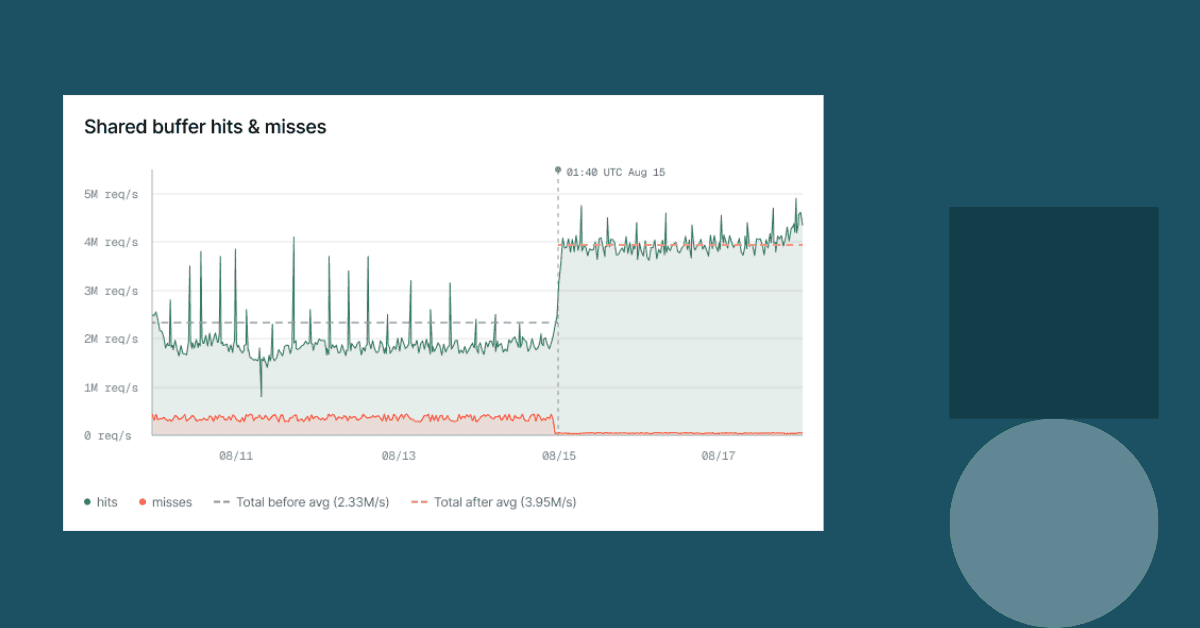
Recent enhancements focus on the compute caching layer, where data is served from DRAM, significantly faster than traditional disk access. Postgres organizes data in rows on pages, which are loaded into shared buffers for quick access.
By optimizing this caching strategy, Databricks aims to improve performance metrics, making data retrieval times in the nanosecond range. These advancements are expected to benefit customers by providing a more responsive database experience.