The Download: AI’s real extinction threat and age-reversal tech for eyes
technologyreview.com·5d ago
TL;DR
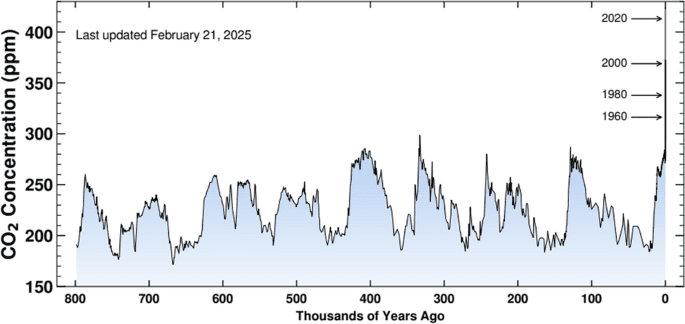
Increasing atmospheric CO2 levels are linked to rising bicarbonate levels in human blood, indicating potential health risks. An analysis of NHANES data from 1999 to 2020 shows that bicarbonate levels are trending upward while calcium and phosphorus levels are declining.
✦ Why It Matters
Engineers can prioritize carbon capture technologies to mitigate rising atmospheric CO2 levels and protect public health.
Key Takeaways
Full Summary
Anthropogenic activities are significantly increasing atmospheric carbon dioxide (CO2), which poses health risks to humans. Researchers analyzed serum bicarbonate (HCO3−), calcium (Ca), and phosphorus (P) levels from the U.S.
National Health and Nutrition Examination Survey (NHANES) between 1999 and 2020 as indirect indicators of CO2 exposure. The study found that average bicarbonate levels rose alongside atmospheric CO2, while calcium and phosphorus levels decreased.
Projections suggest that bicarbonate could reach the upper limit of the healthy range in 50 years, with calcium and phosphorus following by the century's end. Elevated CO2 levels in the body may lead to adverse health effects, highlighting the need for significant reductions in CO2 emissions to protect public health.
Related