EmbeddingGemma 2: an open, lightweight multimodal embedding model
deepmind.google·6d ago
TL;DR
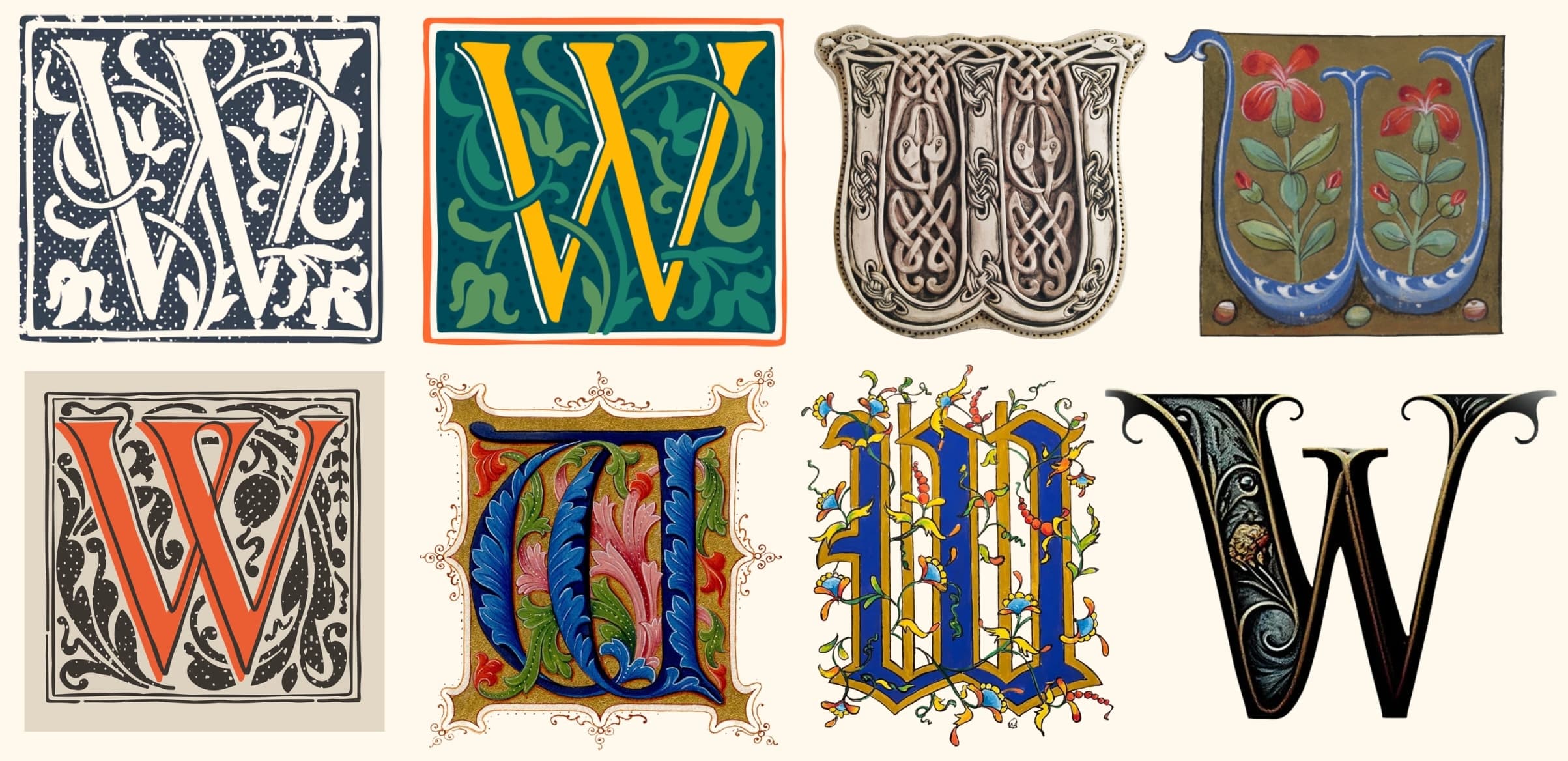
The letter W emerged from the linguistic challenges faced by Germanic rulers in post-Roman Europe, who needed to represent their names in Latin script. This led to the creation of a new letter to accommodate the /w/ sound, which was absent in the Latin alphabet.
✦ Why It Matters
Consider how language shapes identity and representation in your own projects today.
Key Takeaways
Full Summary
W originated in the sixth century as a solution to represent the Germanic sound /w/, which lacked a corresponding letter in the Latin alphabet. As Germanic tribes took over former Roman territories, they maintained Latin for official documents but needed a way to spell their names, leading to the creation of W by doubling the letter U.
This letter became standard in English texts, despite competition from other spellings. Over time, W has also influenced vowel pronunciation in English, contributing to the distinct sounds in words like 'was' and 'wand'.
The evolution of W reflects broader linguistic changes and the blending of cultures in post-Roman Europe, highlighting how language adapts to social dynamics.
Related