EmbeddingGemma 2: an open, lightweight multimodal embedding model
deepmind.google·6d ago
TL;DR
Recent studies suggest that GLP-1 medications, such as semaglutide and tirzepatide, may reduce the risk of serious infections like tuberculosis. This finding highlights potential additional benefits of these drugs beyond their metabolic effects.
✦ Why It Matters
Consider discussing GLP-1 medications with patients who are at risk for serious infections.
Key Takeaways
Full Summary
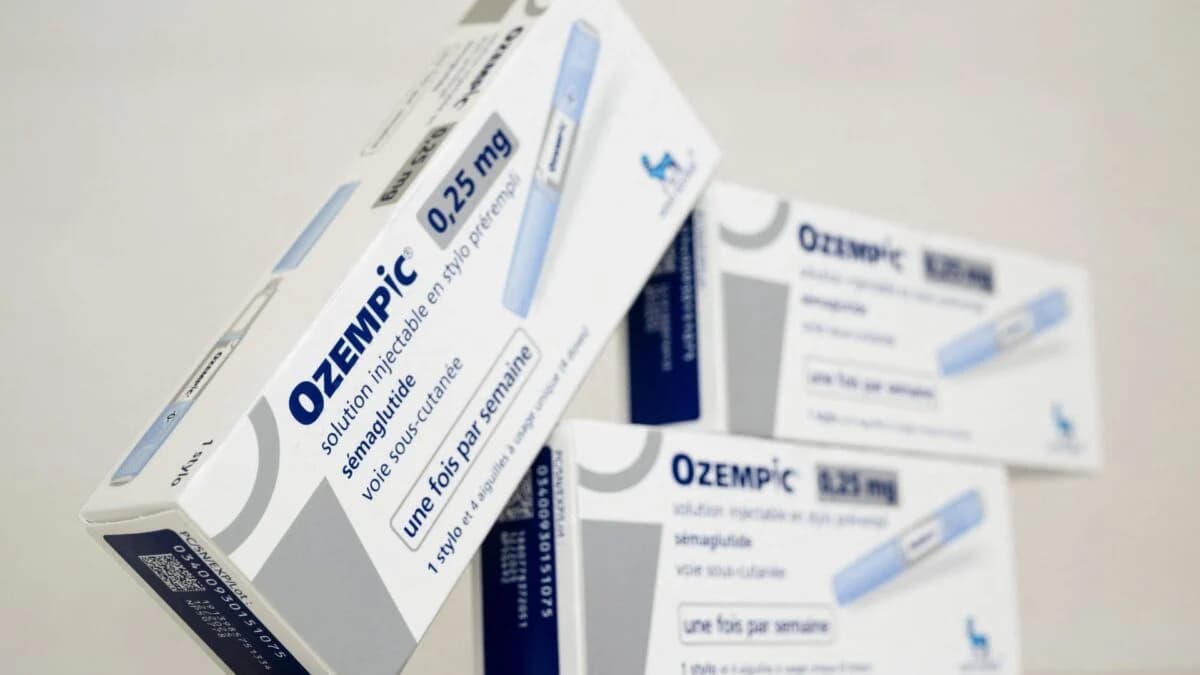
GLP-1 medications, such as semaglutide (Ozempic/Wegovy) and tirzepatide (Mounjaro/Zepbound), are primarily used for managing type 2 diabetes. Recent research indicates these drugs may also lower the risk of serious infections, including tuberculosis (TB), a major global health threat.
One study analyzed medical records from 2017 to 2025, finding that GLP-1 users had a significantly lower incidence of TB compared to those on other diabetes medications. Another study focused on tirzepatide, revealing that users experienced fewer hospitalizations due to infections and lower overall mortality rates.
While these findings are promising, they are observational and do not establish direct causation. The potential protective effect may stem from improved metabolic health, as obesity and diabetes are linked to higher infection risks.
Further research is needed to explore these connections more deeply.
Related