EmbeddingGemma 2: an open, lightweight multimodal embedding model
deepmind.google·6d ago
TL;DR
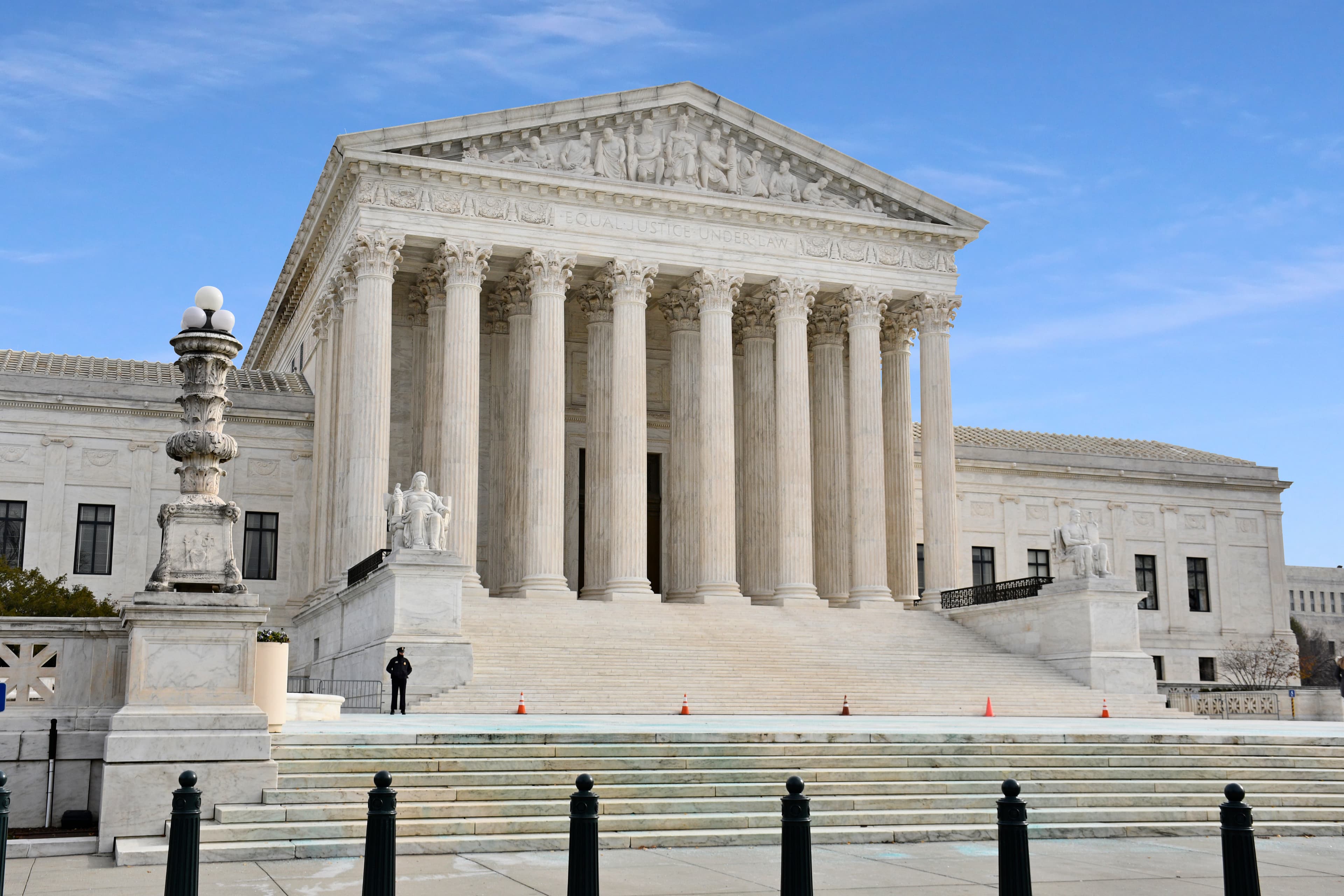
A study from UMass Amherst reveals that U.S. Supreme Court justices often make strategic concessions in dissenting or concurring opinions to influence their colleagues.
✦ Why It Matters
Consider how strategic communication can enhance collaboration in your team discussions today.
Key Takeaways
Full Summary
Political scientists at UMass Amherst analyzed over six decades of Supreme Court decisions to understand justices' behavior during dissenting and concurring opinions. Their study introduced a new metric called 'appeasement,' which quantifies how justices acknowledge majority arguments while disagreeing with conclusions.
Using a legal-domain AI model trained on nearly 9,000 split decisions from 1946 to 2011, the researchers found that justices closer to the ideological center were more likely to use conciliatory language. Additionally, appeasement increased with larger, more ideologically diverse majority coalitions.
This suggests that justices strategically balance agreement and disagreement to maintain influence and foster collaboration. The findings indicate that the public perception of sharp ideological divides may overlook the underlying collegial dynamics at play within the court.
Related