EmbeddingGemma 2: an open, lightweight multimodal embedding model
deepmind.google·6d ago
TL;DR
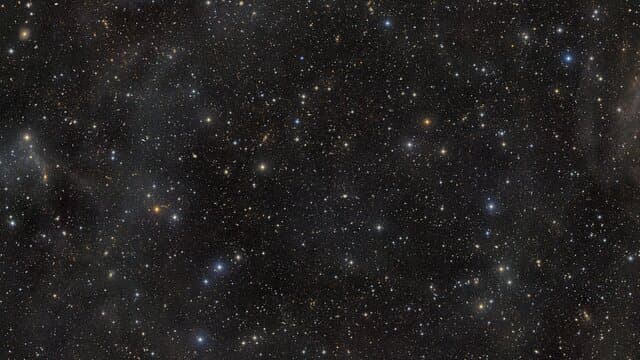
Rubin Observatory has released its first data from the LSST Camera, cataloging 500,000 galaxies in the COSMOS field, significantly advancing astronomical research.
✦ Why It Matters
Explore the LSST data to enhance your research on galaxy formation and evolution today.
Key Takeaways
Full Summary
The Rubin Observatory, funded by the U.S. National Science Foundation and the Department of Energy, has unveiled a stunning image from its 3.2-gigapixel LSST Camera, the largest digital camera globally.
This image captures the COSMOS field, a region of the sky rich in distant galaxies, with over 500,000 galaxies and 50,000 stars visible. By stacking hundreds of individual observations, the LSST Camera provides a clearer view of the Universe, allowing astronomers to study galaxies at various stages of their evolution.
The COSMOS field has been extensively studied for over two decades, making it an ideal reference point for new observations. Rubin's ongoing observations will enhance our understanding of transient astronomical events, such as supernovae, and contribute to the Legacy Survey of Space and Time, which aims to create a detailed, time-lapse record of the Universe over ten years.
Related