EmbeddingGemma 2: an open, lightweight multimodal embedding model
deepmind.google·6d ago
TL;DR
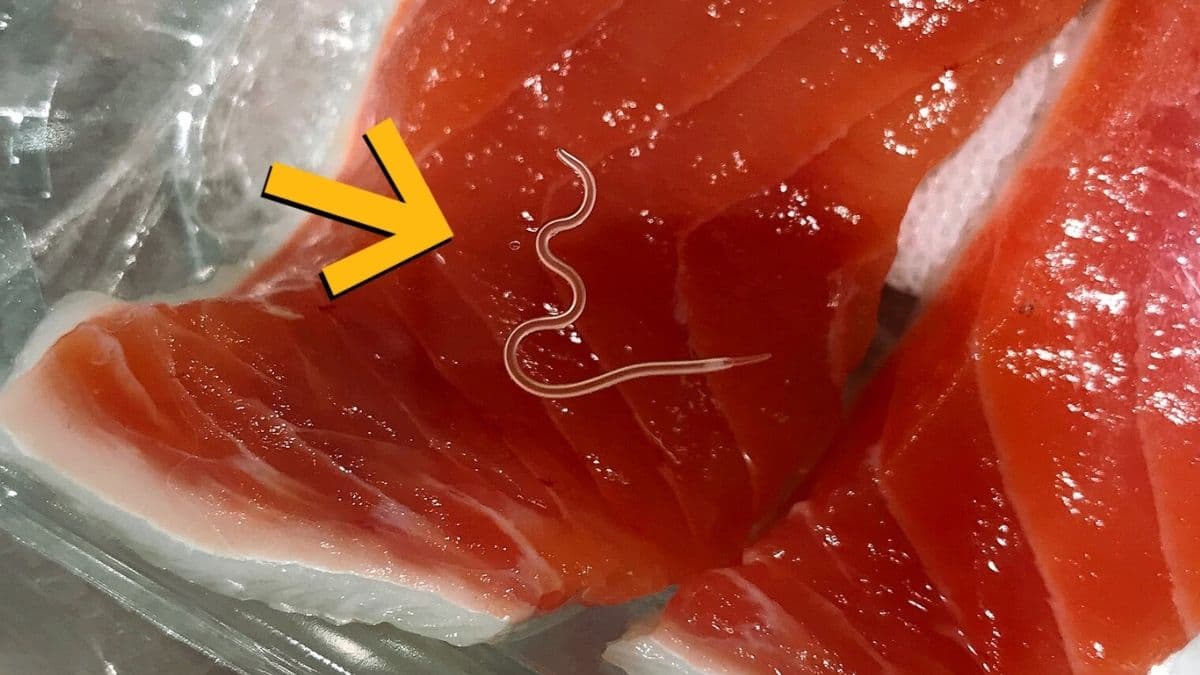
A study found that 96% of locally caught fatty tuna in Brazil were infected with parasites, highlighting a significant health concern for consumers. Over 1,600 worms were identified, with only the kidney and heart remaining free of contamination.
✦ Why It Matters
Check your seafood sources and ensure they meet safety standards to avoid health risks.
Key Takeaways
Full Summary
Researchers at the Federal University of Santa Catarina analyzed 53 skipjack tuna, discovering that 96% were infected with parasitic worms, totaling over 1,600 worms. Using advanced microscopy, they found that the intestines and muscle tissue were the most heavily infected organs, while the kidney and heart remained free of parasites.
This study emphasizes the importance of sanitary inspections and immediate evisceration to prevent larvae migration. Although the findings are based on a small sample, they suggest that tuna in this region commonly host two genera of worms: Trypanorhyncha and Anisakis.
While human infection is rare, the presence of parasites can affect the marketability of seafood and consumer confidence. The study calls for more research on fish parasites globally to understand their impact on fisheries and ecosystems.
Related