EmbeddingGemma 2: an open, lightweight multimodal embedding model
deepmind.google·6d ago
TL;DR
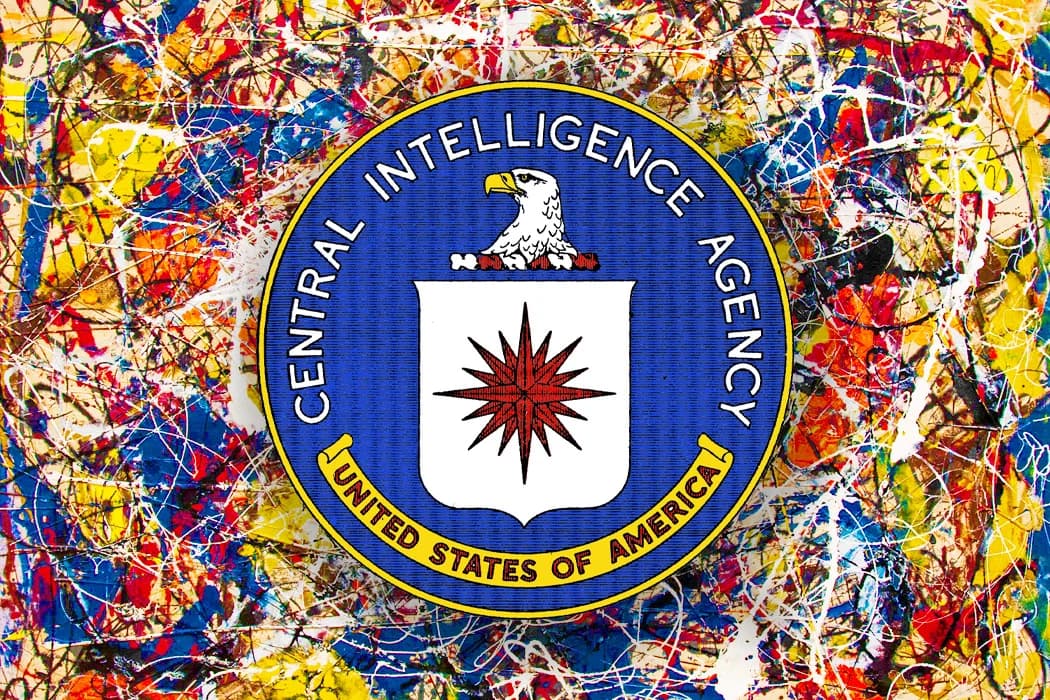
Modern art served as a strategic tool during the Cold War, with the CIA and State Department promoting American artists globally to counter Soviet influence. This cultural diplomacy was seen as more effective than traditional political rhetoric.
✦ Why It Matters
Consider supporting local artists or cultural initiatives to promote democratic values in your community.
Key Takeaways
Full Summary
In the mid-20th century, modern art became a tool for American diplomacy, particularly during the Cold War. The CIA and the State Department collaborated to promote American artists like Jackson Pollock and Georgia O'Keeffe, using exhibitions to counter Soviet claims of U.S. cultural barrenness.
Notably, the Museum of Modern Art (MoMA) played a pivotal role, organizing international exhibitions and cultural programs. The CIA funded initiatives like the Congress for Cultural Freedom, which aimed to influence European intellectuals and showcase the vibrancy of American culture.
Despite domestic criticism, these efforts highlighted the freedom of artistic expression in the U.S., contrasting sharply with Soviet artistic restrictions. The initiative underscored the importance of culture in geopolitical strategy, demonstrating how art can serve as a form of soft power.
Related