EmbeddingGemma 2: an open, lightweight multimodal embedding model
deepmind.google·6d ago
TL;DR
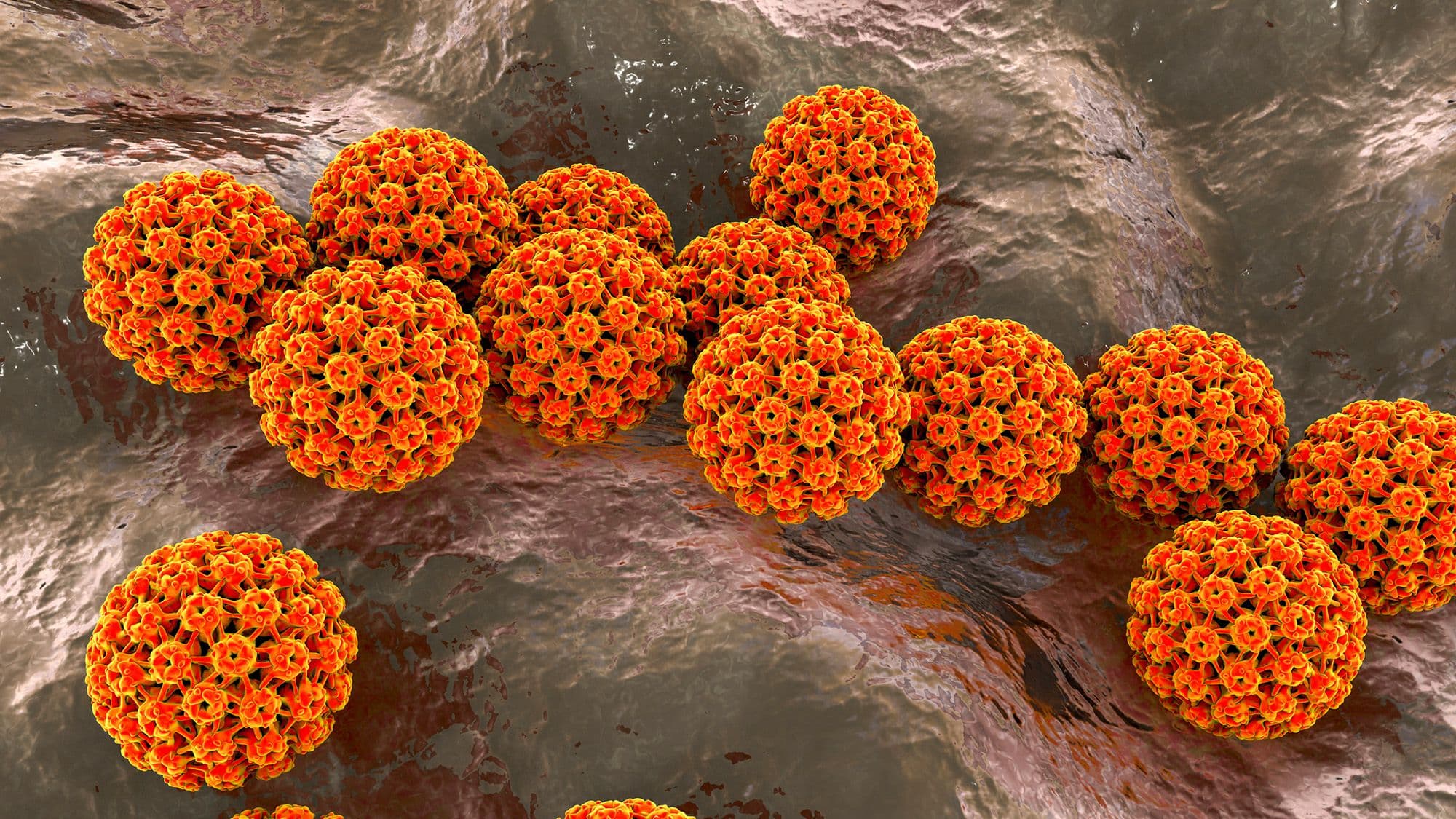
A recent study reveals that approximately 1 in 8 cancer cases globally are linked to infections from pathogens like viruses and bacteria, suggesting that preventing these infections could significantly reduce cancer rates.
✦ Why It Matters
Consider advocating for vaccination programs to prevent infection-related cancers in your community.
Key Takeaways
Full Summary
Research published in The Lancet Oncology estimates that infections will cause about 2.3 million new cancer cases in 2024, representing 12% of all diagnosed cancers. The study analyzed data from the Global Cancer Observatory and focused on 12 pathogens, including human papillomavirus (HPV) and hepatitis B and C.
Notably, four pathogens were responsible for 92% of infection-related cancers, with Helicobacter pylori leading to 760,000 cases. The findings indicate that a substantial number of cancer cases could be prevented through vaccination and treatment of these infections.
However, vaccination rates remain low, particularly in low- and middle-income countries, where 77% of the infection-driven cancer burden occurs. The study emphasizes the economic benefits of investing in cancer prevention strategies over treatment.
Related