The Download: AI’s real extinction threat and age-reversal tech for eyes
technologyreview.com·5d ago
TL;DR
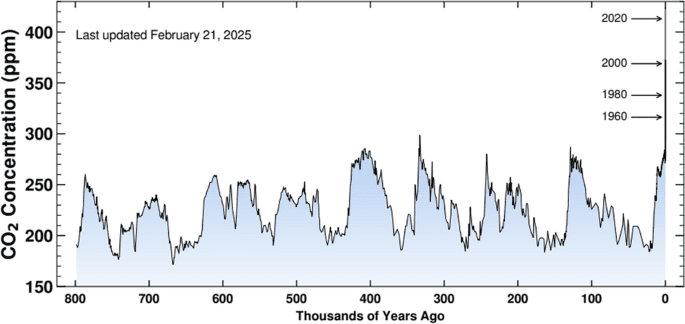
Increasing carbon dioxide (CO2) levels in the atmosphere are linked to rising bicarbonate levels in human blood, indicating potential health risks. An analysis of U.S. health data from 1999 to 2020 shows that bicarbonate levels are trending upward, while calcium and phosphorus levels are declining.
✦ Why It Matters
Engineers can prioritize projects aimed at reducing CO2 emissions in their designs and processes today.
Key Takeaways
Full Summary
Anthropogenic activities are driving up atmospheric CO2, which has been shown to affect the physiology of organisms. A study analyzing data from the U.S.
National Health and Nutrition Examination Survey (NHANES) from 1999 to 2020 found that average serum bicarbonate levels increased by approximately 7%, paralleling rising CO2 levels. Calcium and phosphorus levels, however, have decreased over the same period.
The study predicts that if current trends continue, bicarbonate levels could reach the upper limit of the healthy range by 2076. This suggests a potential health risk due to CO2 accumulation in the body, which could lead to various adverse health effects.
The findings underscore the urgent need for significant reductions in CO2 emissions to protect public health.
Related