EmbeddingGemma 2: an open, lightweight multimodal embedding model
deepmind.google·6d ago
TL;DR
The word 'weird' has evolved from its Old English origin 'wyrd,' meaning fate or destiny, to a casual descriptor for oddities in everyday life. This shift highlights the changing nature of language and cultural perceptions of the unusual.
✦ Why It Matters
Consider how language shapes your perception of the unusual in your daily life and communication.
Key Takeaways
Full Summary
Originally derived from the Old English word 'wyrd', meaning 'fate' or 'destiny', 'weird' has undergone significant semantic evolution. After the Norman Conquest in 1066, English absorbed many French and Latin terms, rendering 'wyrd' obsolete in most regions.
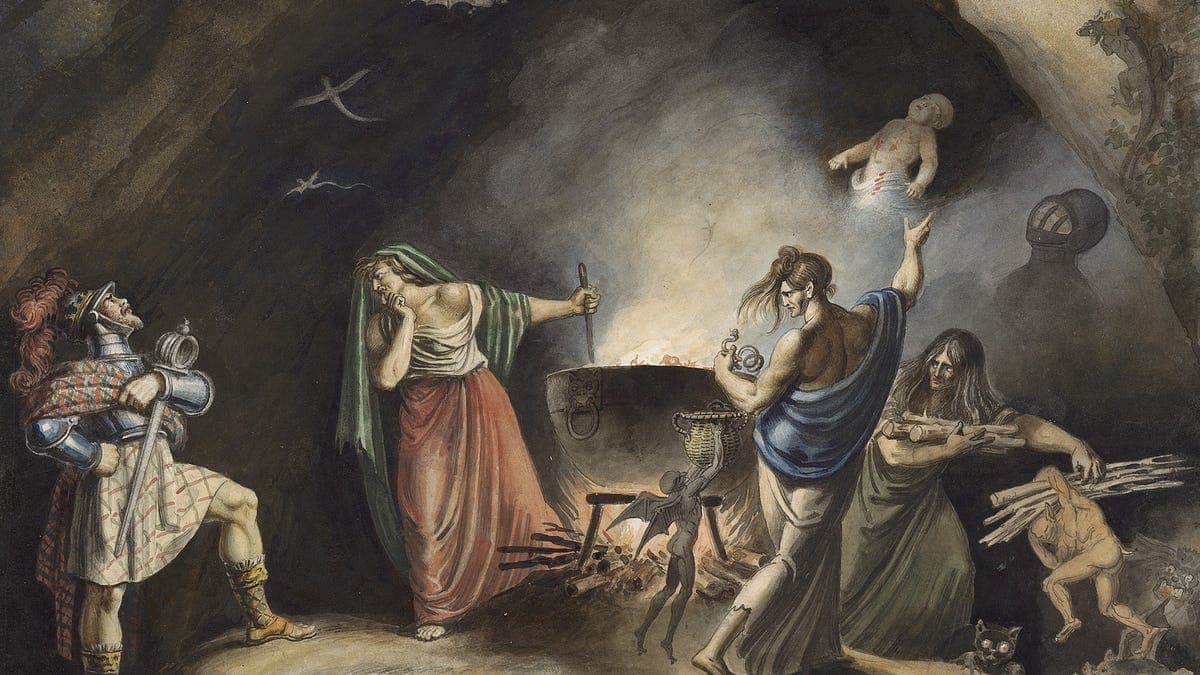
However, it survived in Scots as 'weird', which later became associated with the supernatural through Shakespeare's 'weird sisters' in 'Macbeth'. This association led to a broader interpretation of 'weird' as 'strange' or 'uncanny', especially during the Romantic period.
The frequency of 'weird' in modern English has surged, reflecting its current status as a common descriptor for the unusual. The journey of 'weird' illustrates how individual choices in literature can shape language over time.
Related