EmbeddingGemma 2: an open, lightweight multimodal embedding model
deepmind.google·6d ago
TL;DR
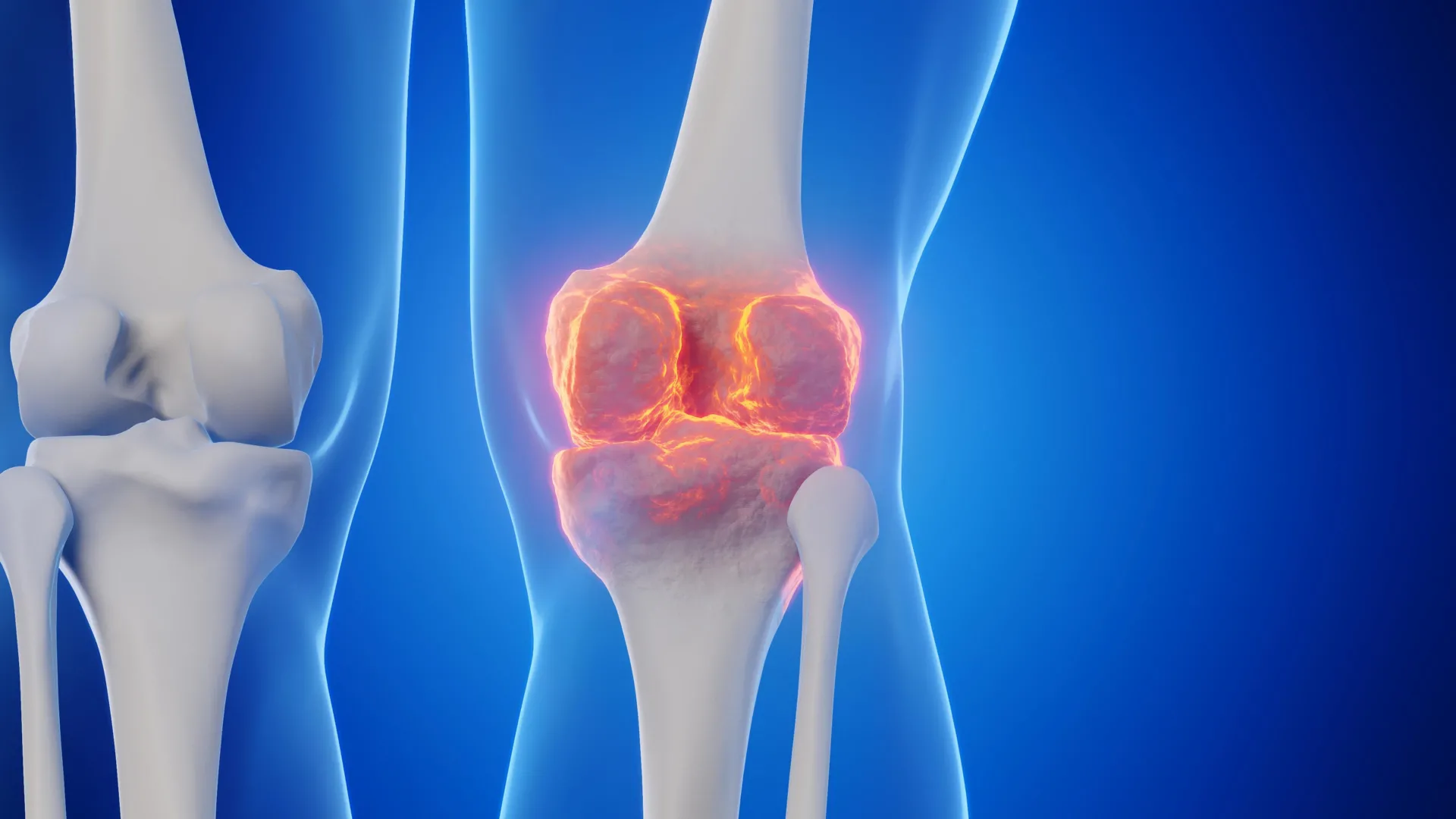
Stanford scientists have discovered a method to rejuvenate cartilage cells and regrow damaged knee cartilage by blocking an age-related protein, potentially eliminating the need for joint replacements.
✦ Why It Matters
Consider exploring treatments that target age-related proteins to enhance cartilage health in patients.
Key Takeaways
How It Works
The treatment works by inhibiting the protein 15-PGDH, which regulates prostaglandin E2 levels. Prostaglandin E2 is crucial for cartilage health, and by blocking 15-PGDH, the treatment promotes a shift in gene expression in cartilage cells, allowing them to regenerate and produce hyaline cartilage, essential for joint function.
Related