EmbeddingGemma 2: an open, lightweight multimodal embedding model
deepmind.google·6d ago
TL;DR
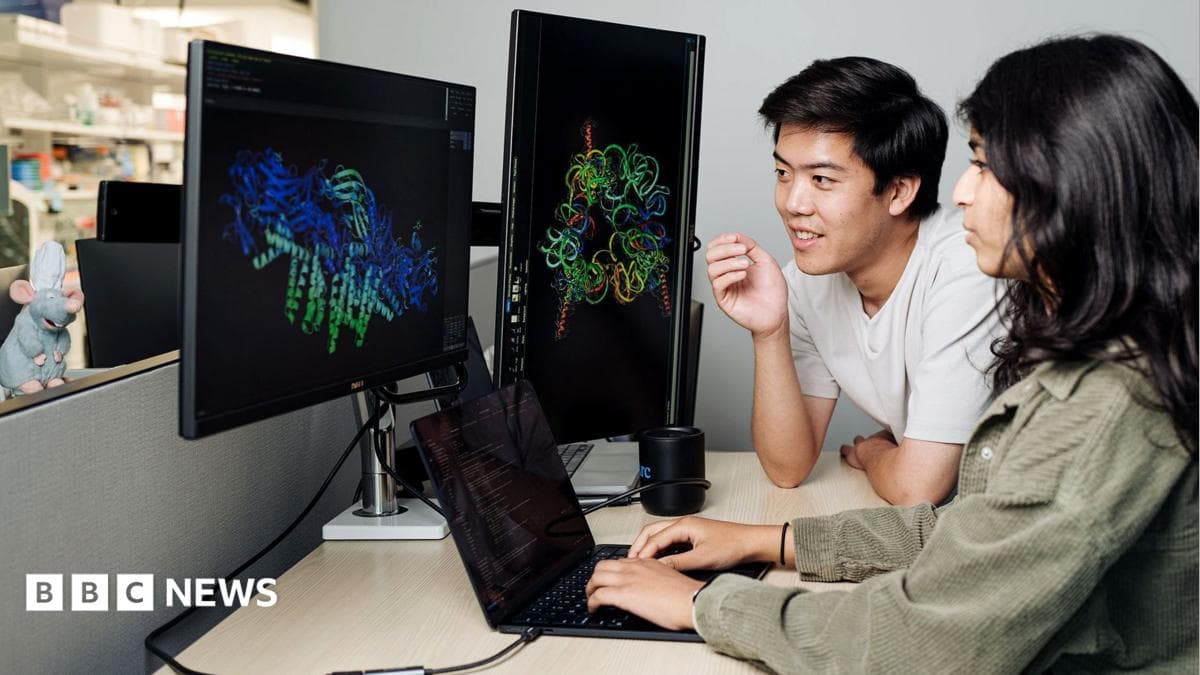
US researchers have successfully used Artificial Intelligence to design 16 novel viruses that can replicate in the lab, marking a significant breakthrough in synthetic biology. While these viruses are harmless to humans and could advance disease treatment, they also raise urgent safety and security concerns.
✦ Why It Matters
Consider the ethical implications of AI in synthetic biology and advocate for responsible research practices.
Key Takeaways
How It Works
The AI models, Evo1 and Evo2, were trained on genetic sequences from various organisms, enabling them to predict and design viral genomes. This process is similar to how language models generate text, but instead, it focuses on the 'language of life'—the genetic code.
The researchers synthesized the most promising designs in the lab, leading to the successful creation of bacteriophages that can replicate and infect specific bacteria.
Related