EmbeddingGemma 2: an open, lightweight multimodal embedding model
deepmind.google·6d ago
TL;DR
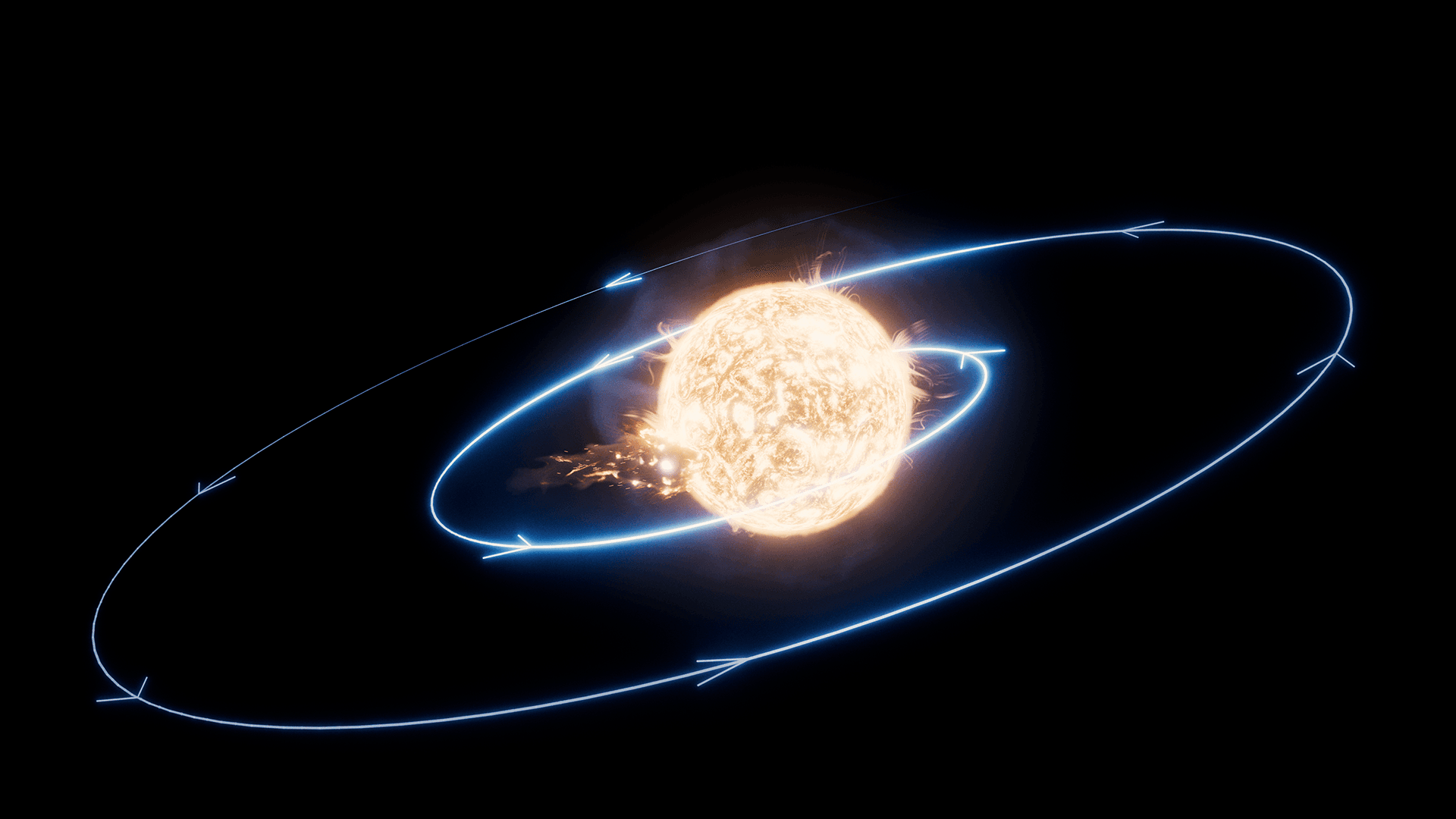
A new study suggests that the Sun may have swallowed a super-Earth-sized planet early in its history, leaving detectable chemical 'fingerprints' in its interior. These imprints could explain discrepancies between solar models and observations, particularly regarding lithium levels and internal structure.
✦ Why It Matters
Consider exploring solar models that incorporate planetary ingestion to enhance your astrophysical research.
Key Takeaways
How It Works
The study uses the MESA stellar-evolution code to simulate the Sun's evolution and assess how the ingestion of a super-Earth could alter its internal structure and chemical composition. By comparing these models with helioseismic observations, researchers identified discrepancies that could be explained by the planet's engulfment.
Related