BerriAI / litellm
github.com·3d ago
TL;DR
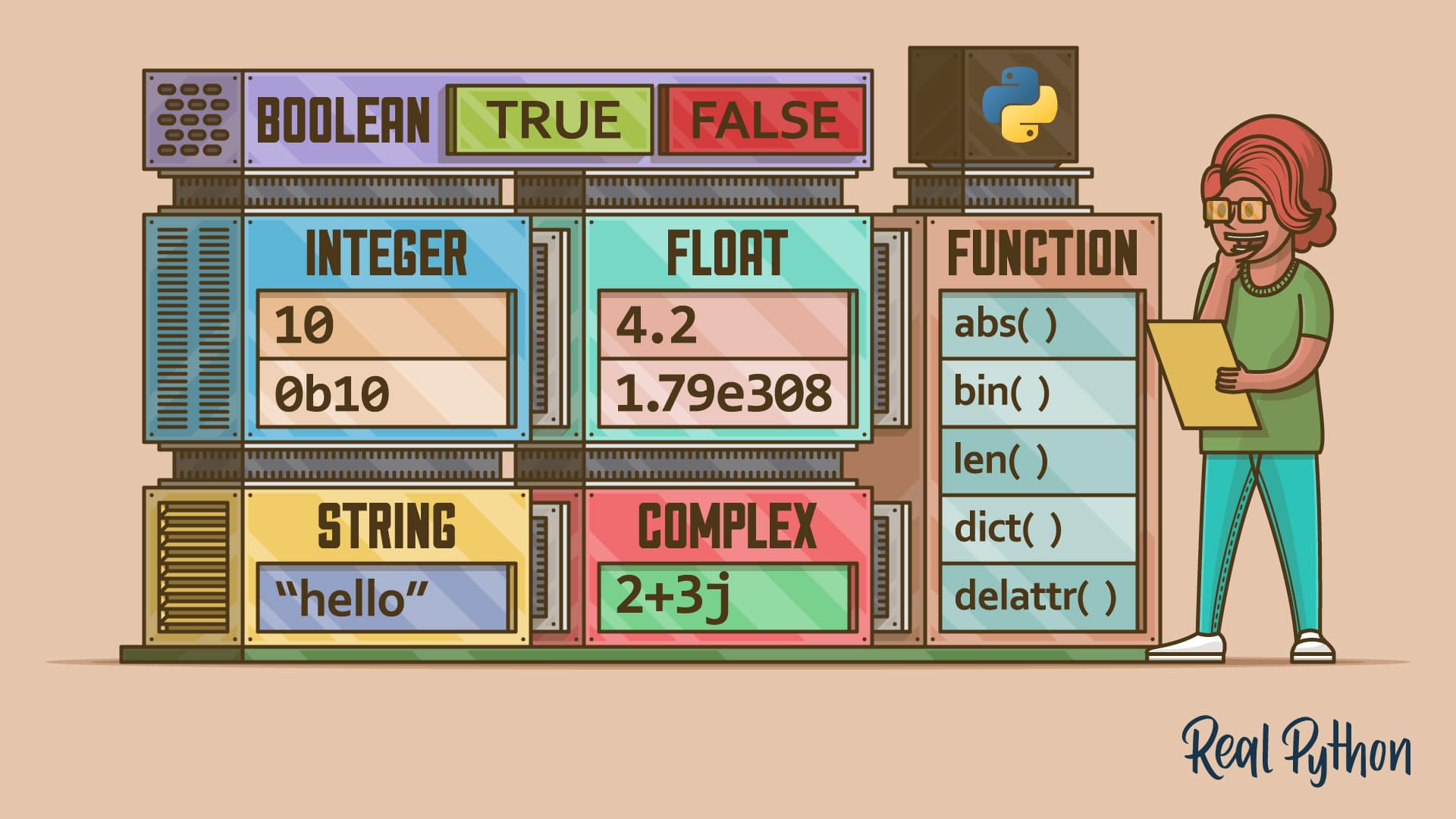
Python's basic data types, including integers, floats, strings, and booleans, are essential for representing and manipulating various data forms. Mastering these types enables efficient handling of numeric, textual, and logical data in programming.
✦ Why It Matters
Start using Python's built-in functions to manipulate and convert data types in your projects today.
Key Takeaways
Full Summary
Python offers several basic data types that are crucial for effective programming. These include integers (int), floating-point numbers (float), strings (str), and booleans (bool), each serving distinct purposes in data representation.
Understanding how to create, manipulate, and convert these data types using built-in functions is fundamental for any Python developer. For instance, you can convert a string to an integer using the int() function, which is vital for data processing tasks.
The tutorial emphasizes the importance of these data types in building robust applications, as they form the backbone of most Python programs. By mastering these concepts, developers can efficiently handle a wide range of data, enhancing their programming capabilities.