EmbeddingGemma 2: an open, lightweight multimodal embedding model
deepmind.google·6d ago
TL;DR
A medieval skeleton, dubbed 'trebuchet guy,' reveals the only known casualty from a trebuchet strike, suffering catastrophic injuries from a high-speed impact. This discovery sheds light on the violent realities of medieval warfare.
✦ Why It Matters
Consider the implications of historical weaponry on modern engineering and safety designs.
Key Takeaways
Full Summary
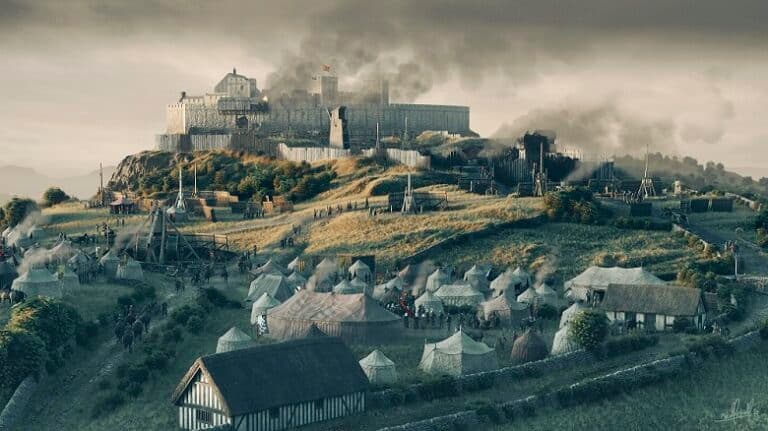
During a siege at Stirling Castle, a skeleton known as Skeleton 150 was discovered, showing evidence of a unique and violent death caused by a trebuchet. This individual sustained 61 fractures in his skull and additional injuries to his ribs, shoulder, and leg, indicating a single, powerful impact.
Researchers, including paleopathologist Jo Buckberry, utilized advanced forensic techniques such as X-rays and micro-CT scans to analyze the bones. The findings suggest that the injuries were inflicted by a heavy, fast-moving object, likely a boulder, rather than other common medieval causes of death like trampling or falling.
The analysis confirmed that the bones were fresh at the time of injury, ruling out post-mortem damage. This case provides a rare glimpse into the lethal potential of siege weaponry during medieval warfare.
Related