EmbeddingGemma 2: an open, lightweight multimodal embedding model
deepmind.google·6d ago
TL;DR
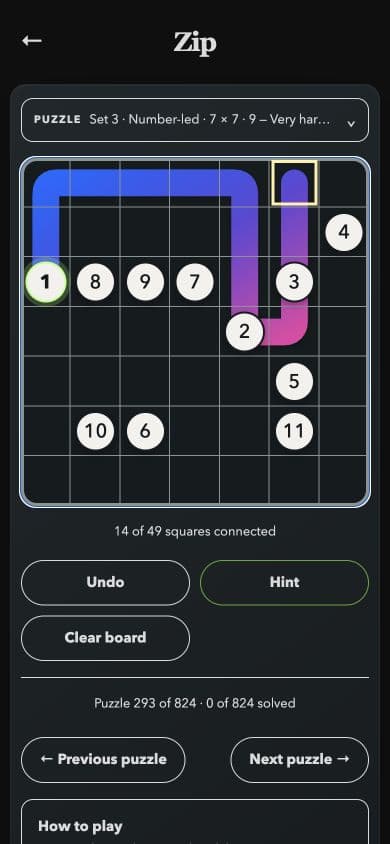
A repository of over 434,000 Sudoku instances was created to explore constraint-solving techniques, leading to playable versions of nine different puzzle games. The project highlights the relationship between puzzle size, clue quantity, and difficulty classification.
✦ Why It Matters
Explore the repository to enhance your understanding of constraint programming and puzzle generation techniques.
Key Takeaways
How It Works
The puzzle generation process begins with a complete solution, from which clues are selectively removed while ensuring that the remaining puzzle has a unique solution. This is achieved through various propagation techniques that classify the difficulty of the puzzles.
The models are designed to be flexible, allowing for different board sizes and configurations, and the final puzzles are optimized for visual symmetry.
Related