EmbeddingGemma 2: an open, lightweight multimodal embedding model
deepmind.google·6d ago
TL;DR
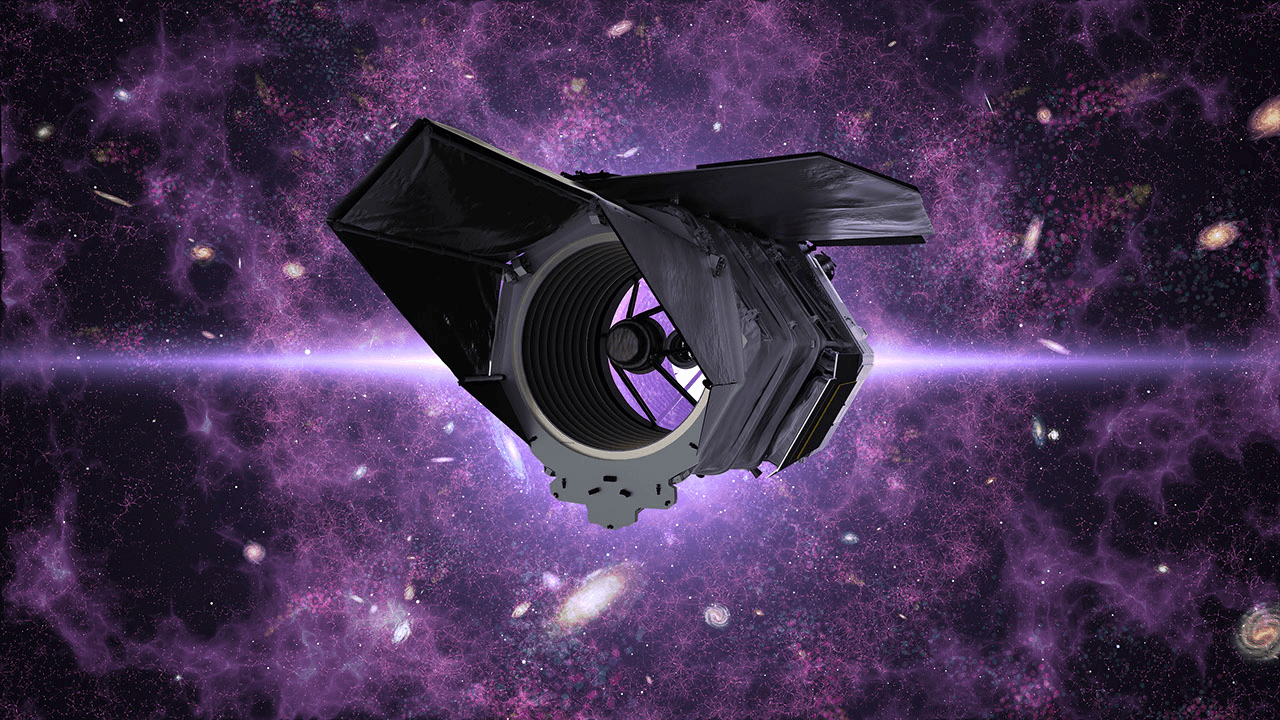
The Nancy Grace Roman Space Telescope, launching in August 2026, will have a field of view 100 times larger than Hubble's, enabling it to study a billion galaxies and directly observe exoplanets.
✦ Why It Matters
Stay informed about upcoming astronomical missions to leverage new data for research and development.
Key Takeaways
Full Summary
Named after NASA’s first chief astronomer, the Nancy Grace Roman Space Telescope is set to revolutionize our understanding of the universe. With a field of view at least 100 times larger than that of the Hubble Space Telescope, it is expected to measure light from approximately one billion galaxies over its operational lifetime.
The telescope will utilize advanced techniques to block starlight, allowing for direct observation of exoplanets and the disks where planets form. Its objectives include conducting a statistical census of planetary systems in our galaxy and investigating fundamental questions related to dark energy, exoplanets, and infrared astrophysics.
Scheduled for launch on August 30, 2026, aboard a SpaceX Falcon Heavy rocket, this observatory promises to enhance our knowledge of the cosmos significantly.
Related