EmbeddingGemma 2: an open, lightweight multimodal embedding model
deepmind.google·6d ago
TL;DR
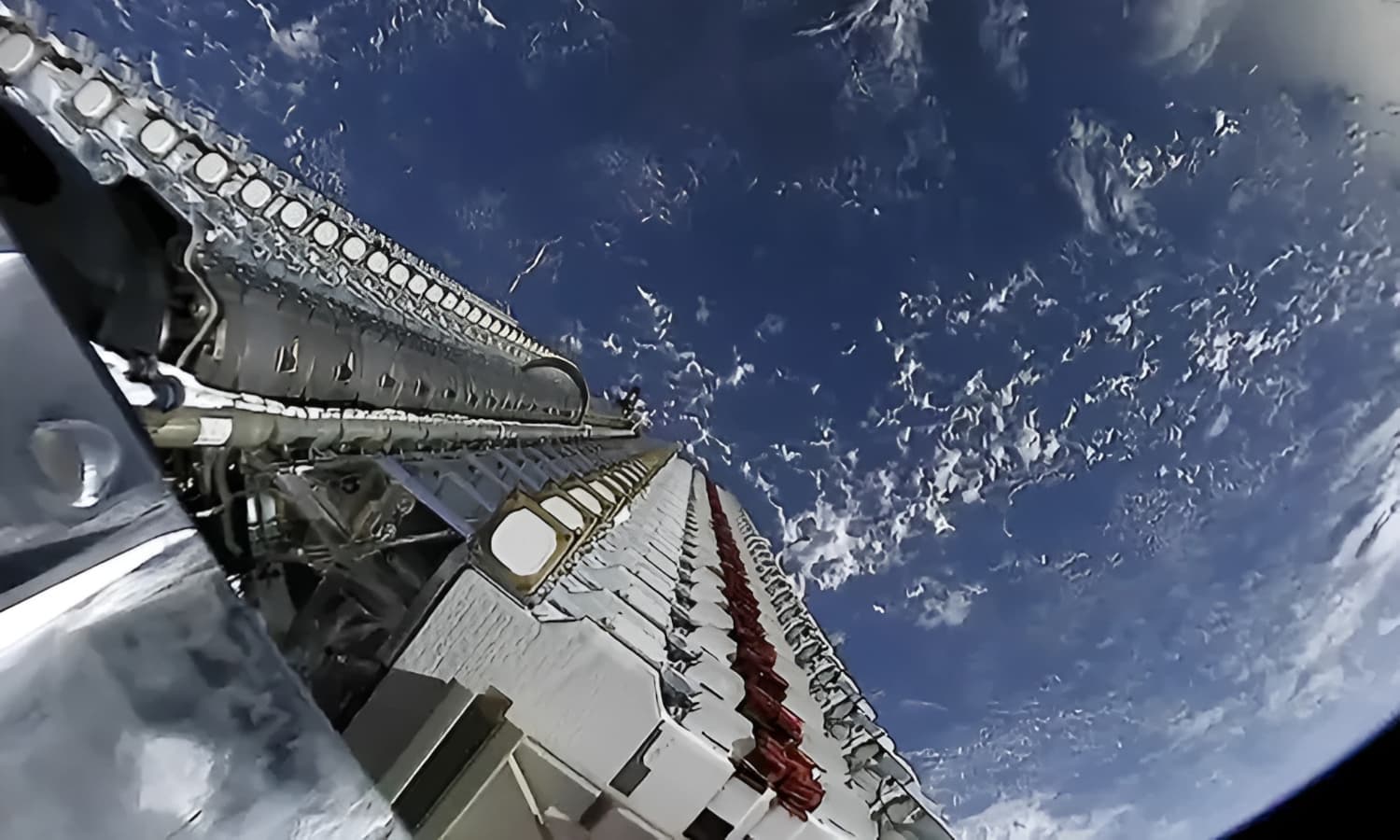
Astronomers are facing interference from SpaceX's Starlink satellites, which emit unintended radio signals that disrupt the detection of ancient cosmic hydrogen signals. This leakage is significantly stronger than the signals the Square Kilometre Array Low was designed to capture.
✦ Why It Matters
Engineers should advocate for stricter regulations on satellite emissions to protect radio astronomy.
Key Takeaways
Full Summary
The Square Kilometre Array Low (SKA-Low) is designed to detect faint neutral hydrogen signals from the early universe, but researchers have found that electronic leakage from SpaceX's Starlink satellites is interfering with their observations. A team from Curtin University analyzed 76 million radio images over 29 days, identifying over 112,000 emissions from 1,806 unique Starlink satellites within the critical frequency range of 73–235 MHz.
These emissions are up to 10,000 times stronger than the signals SKA-Low aims to detect, with some images showing up to 30% interference. Current regulations do not address this unintended leakage, leaving astronomers vulnerable to contamination that could render entire frequency bands unusable.
While SpaceX has shown willingness to engage in discussions about mitigating this issue, effective engineering solutions are necessary to protect the integrity of radio astronomy.
Related