Trusted Data Apps for the Agentic Data Cloud, powered by Looker
cloud.google.com·7h ago
TL;DR
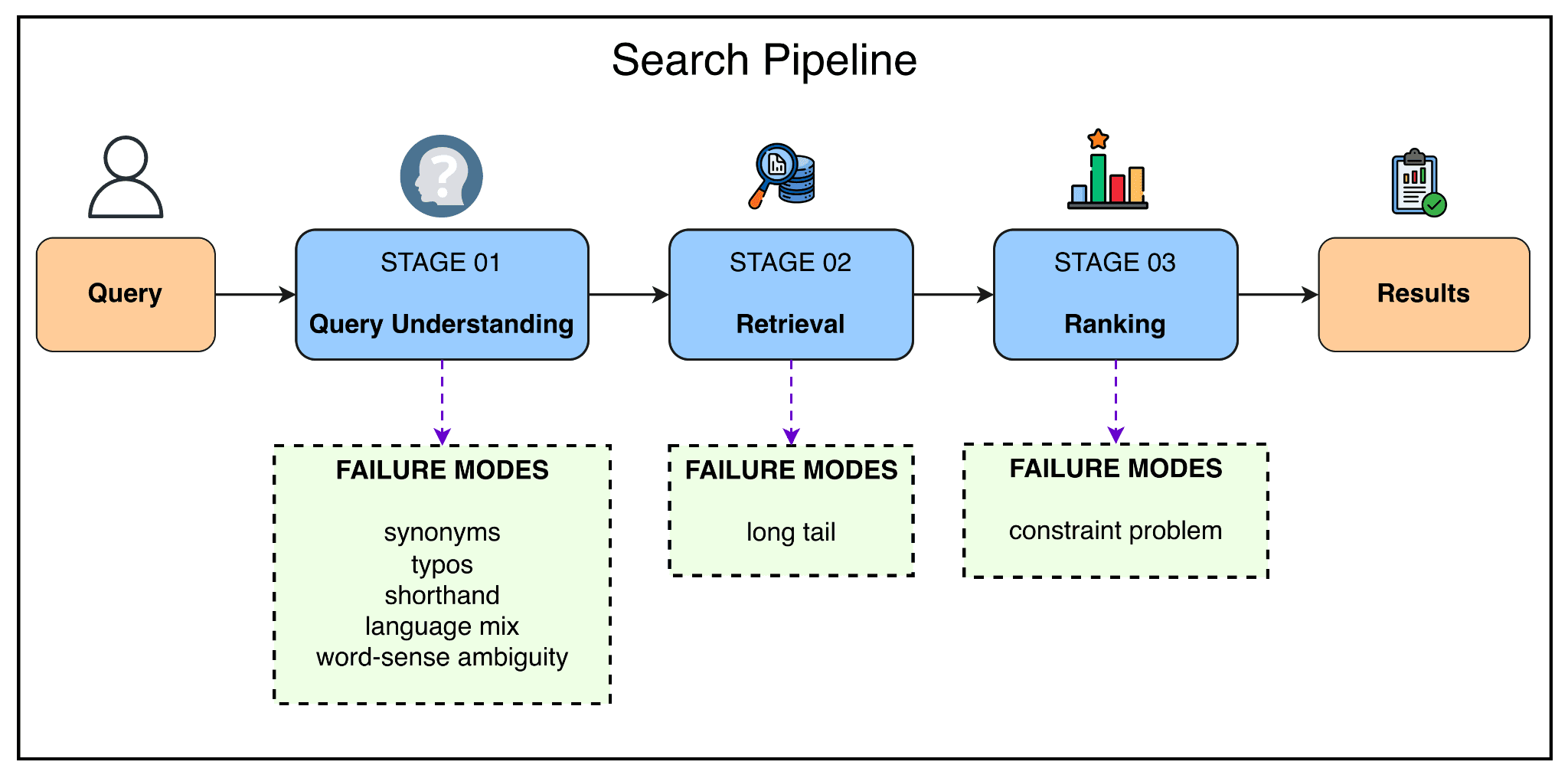
DoorDash, Instacart, and Uber Eats have each integrated large language models (LLMs) into their search functionalities in unique ways, reflecting their distinct operational needs and user experiences. This analysis reveals how their choices align with broader trends in AI application within the food delivery sector.
✦ Why It Matters
Evaluate your own product's search functionality and consider how LLMs could enhance user experience today.
Key Takeaways
How It Works
DoorDash uses LLMs to enrich its knowledge graph by extracting attributes from SKU data, while Instacart employs retrieval-augmented generation to incorporate context into LLM prompts. Uber Eats utilizes a two-tower architecture where both query and document encoders leverage a fine-tuned LLM for efficient similarity matching.
Related