EmbeddingGemma 2: an open, lightweight multimodal embedding model
deepmind.google·6d ago
TL;DR
Researchers have revived TEMPEST attacks by using a technique called InjectEave, which allows modern electronics to emit unintended radio signals when exposed to a specific RF signal. This method successfully recovered audio and device states from various electronics, demonstrating significant security implications.
✦ Why It Matters
Evaluate your devices for potential RF emissions and consider shielding to enhance security.
Key Takeaways
Full Summary
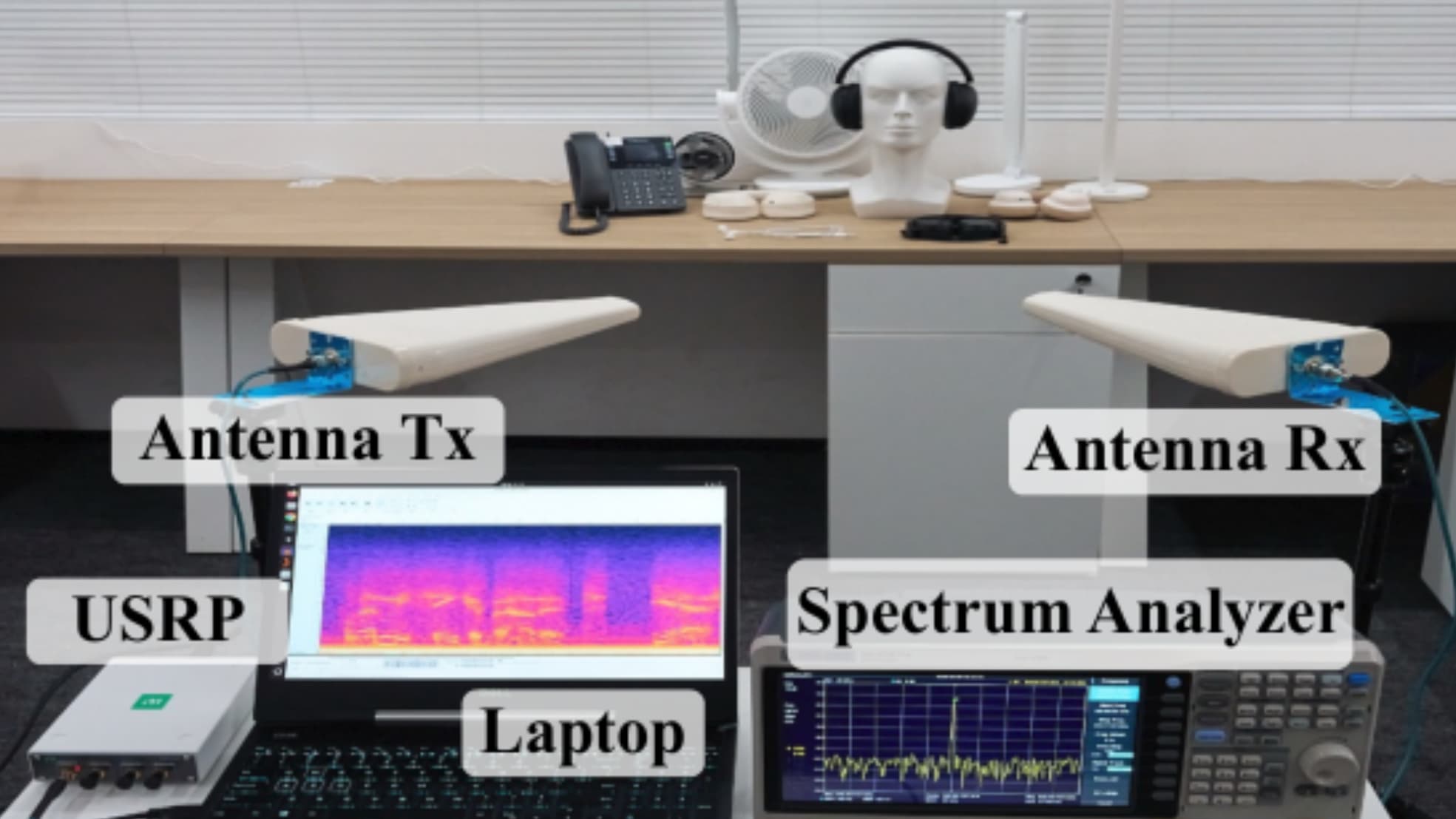
TEMPEST attacks exploit unintended radio emissions from electronic devices to reconstruct internal operations, traditionally effective with older CRT displays. Researchers introduced InjectEave, a technique that irradiates modern electronics with a radio frequency tailored to their internal structures, causing nonlinear components to mix the injected signal with internal signals.
Testing with devices like amplifiers and smart home gadgets showed that this method could recover audio and device states over distances up to 30 meters, even through walls. Notably, they demonstrated the ability to listen in on VoIP calls and synthesize speech in real-time.
This technique highlights vulnerabilities in modern electronics, suggesting that even low-power devices can be exploited for sensitive information retrieval.
Related