The Download: AI’s real extinction threat and age-reversal tech for eyes
technologyreview.com·5d ago
TL;DR
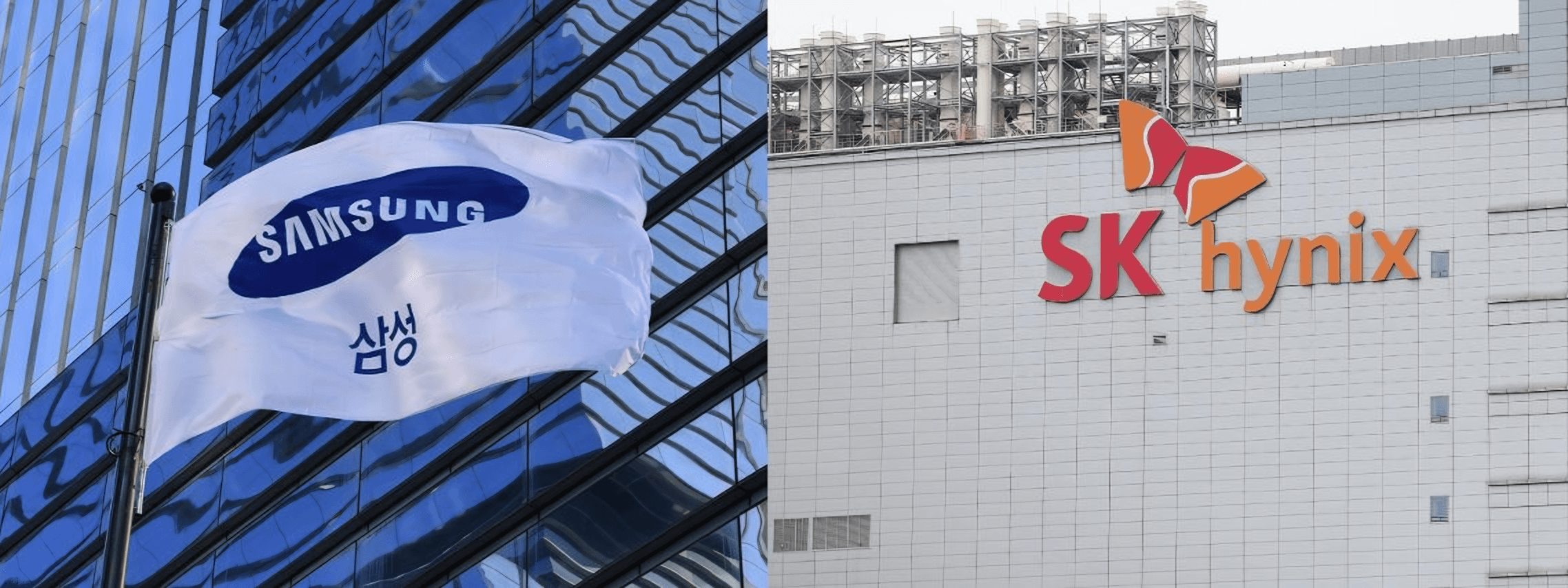
The U.S. is pursuing a share of the profits from Korean semiconductor companies, specifically SK hynix and Samsung Electronics, due to increased demand for their chips. This demand has surged alongside the global AI chip boom, prompting discussions on what constitutes 'excess profits.'
✦ Why It Matters
Engineers should assess how potential profit-sharing agreements could impact their supply chain strategies and partnerships.
Key Takeaways
Full Summary
Amid a booming global demand for AI chips, the U.S. government is seeking a portion of the substantial profits generated by Korean semiconductor manufacturers SK hynix and Samsung Electronics. This request stems from the argument that American companies have significantly contributed to these profits through their purchases.
In the first half of this year, Korea's semiconductor exports reached a record $192.43 billion, with exports to the U.S. alone increasing by 91.3% to $26.4 billion. U.S. officials have also urged these companies to expand their manufacturing presence in the U.S., although no plans for advanced fabrication plants have been announced.
The discussion around profit-sharing has sparked debates in Korea about whether excess profits should be redistributed to subcontractors or the public, especially given taxpayer investments in infrastructure.
Related