EmbeddingGemma 2: an open, lightweight multimodal embedding model
deepmind.google·6d ago
TL;DR
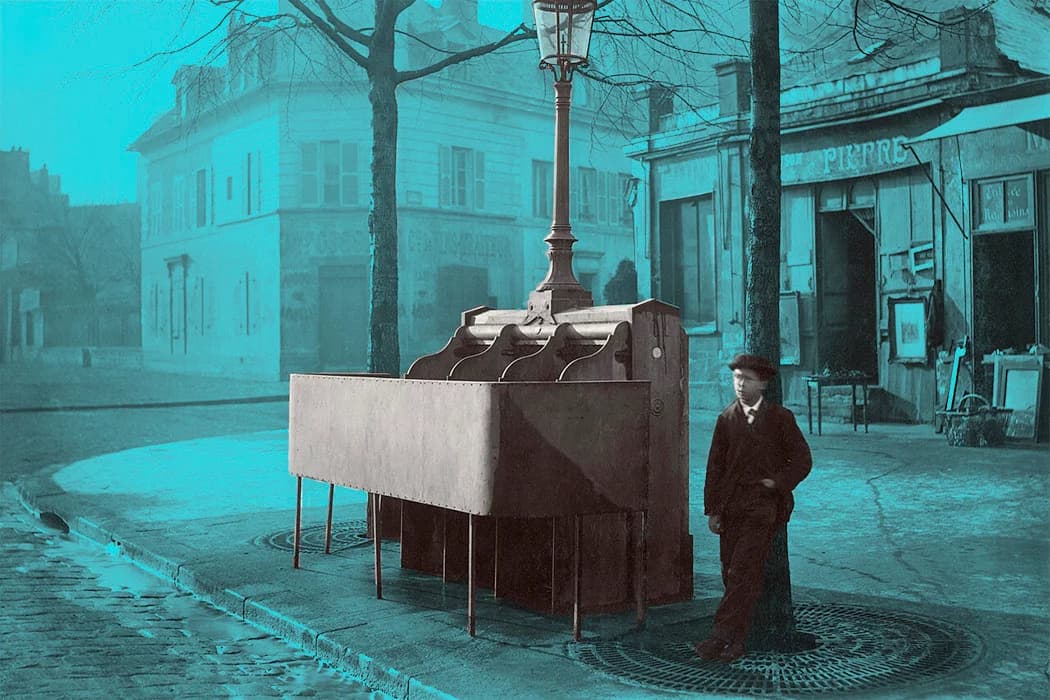
In the mid-1800s, Paris addressed public urination as a public health issue by installing ornate public urinals, known as pissoirs. This shift marked a significant change in how society viewed human waste, moving from nuisance to health hazard.
✦ Why It Matters
Consider advocating for improved public sanitation facilities in your community to enhance public health.
Key Takeaways
Full Summary
In the mid-1800s, Paris faced cholera outbreaks that shifted public perception of urination from nuisance to health hazard, prompting the introduction of public urinals known as pissoirs. These ornate structures, designed primarily for men, were not only functional but also became unexpected social hubs for clandestine meetings.
Sociologist Andrew Israel Ross notes that the use of these urinals illustrates the dynamic between urban planners and the actual users of public spaces. Meanwhile, in the U.S., temperance advocates linked public restrooms to their campaign against alcohol, pushing for larger 'comfort stations' but inadvertently leading to the closure of privately owned facilities.
Over time, public restrooms fell into disrepair, and today, access to toilets often requires purchasing something from businesses, turning bodily privacy into a commodity. This history reveals how infrastructure can shape social interactions and public rights.
Related