EmbeddingGemma 2: an open, lightweight multimodal embedding model
deepmind.google·6d ago
TL;DR
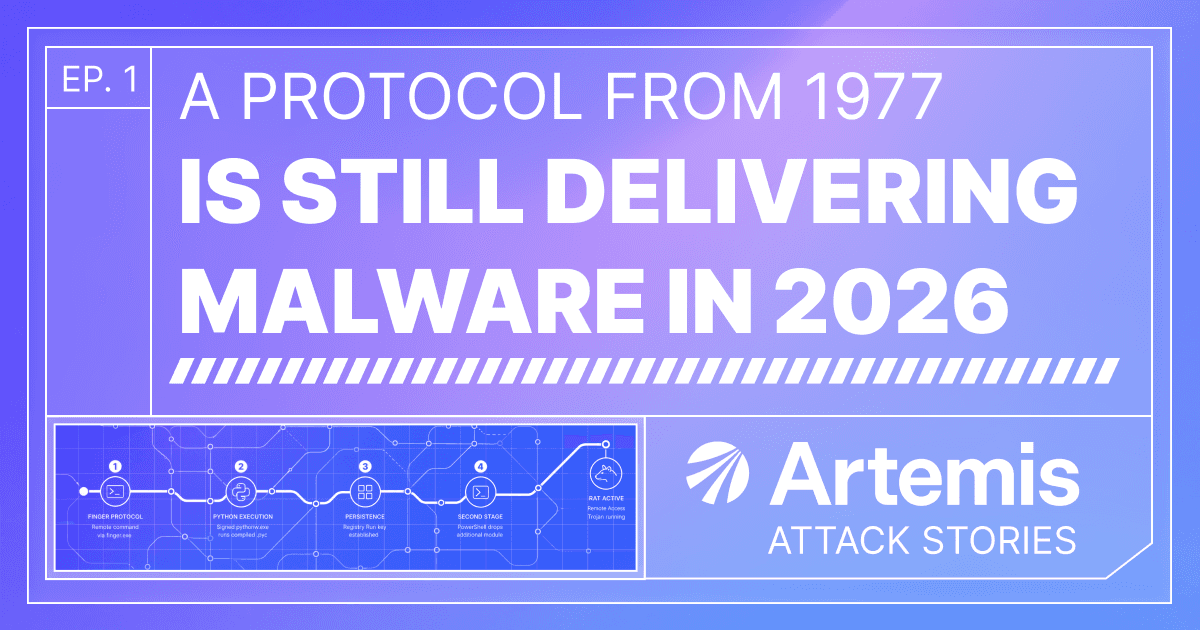
The Finger protocol, dating back to 1977, remains a viable malware delivery method, as demonstrated by a Python remote-access trojan (RAT) that evaded detection on a Windows system. Despite alerts from security software, the malware persisted due to misconfigured alert settings.
✦ Why It Matters
Review and adjust alert settings on security software to ensure actionable responses to genuine threats.
Key Takeaways
How It Works
The attack utilized the Finger protocol to execute commands from a remote host by obfuscating the command line, making it difficult for detection systems to recognize the malicious activity. The command was designed to strip the protocol's header and execute only the attacker's commands, allowing for stealthy malware delivery.
Related