EmbeddingGemma 2: an open, lightweight multimodal embedding model
deepmind.google·6d ago
 Lobsters·Aug 2·5 min read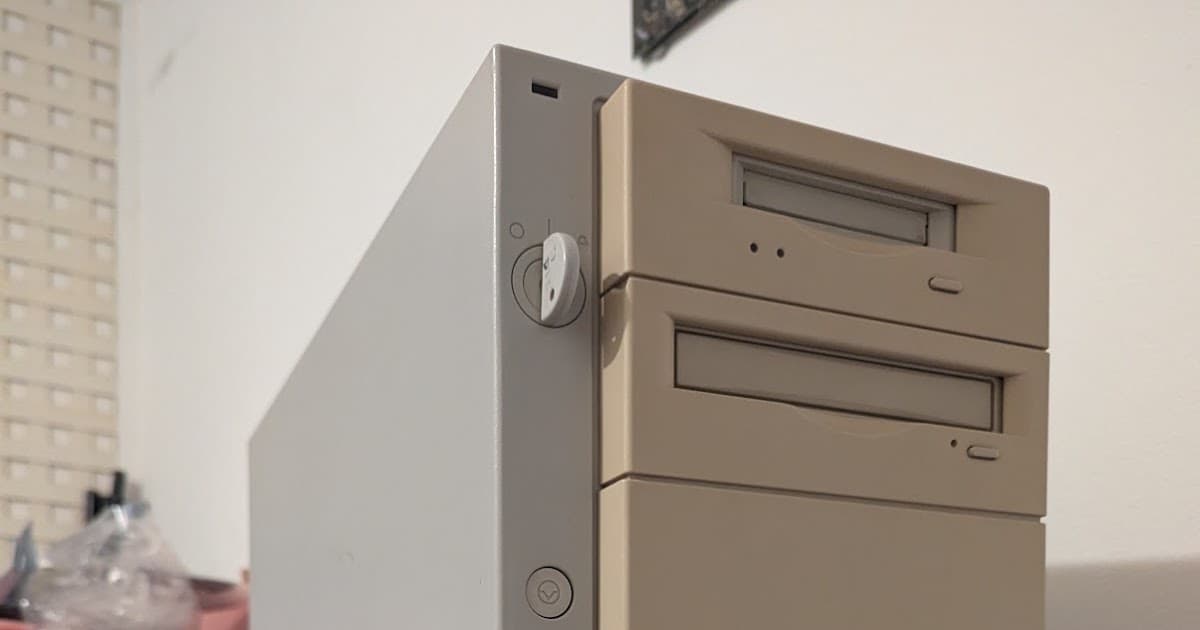
TL;DR
Apple's early 1990s server strategy evolved from the failed Macintosh Office initiative, leading to the development of the Macintosh II and AppleShare server software. This shift aimed to establish Apple's presence in corporate environments, ultimately achieving a basic server platform.
✦ Why It Matters
Evaluate your current server solutions and consider integrating AppleShare for improved network functionality.
Key Takeaways
Full Summary
In the early 1990s, Apple sought to establish a server line, stemming from the failed Macintosh Office initiative. The Workgroup Server 9150 emerged as a high-performance server, built on the Macintosh architecture and designed to run A/UX, Apple's Unix-based operating system.
This server featured enhanced hardware specifications, including a powerful PowerPC processor and support for multiple internal drives. Despite its advanced capabilities, the server faced challenges in market acceptance, particularly against established competitors like Novell's NetWare.
The Workgroup Server 9150 represented a significant step in Apple's strategy to penetrate the corporate market, aiming to provide a credible Unix-based solution while maintaining Macintosh usability. Ultimately, it highlighted Apple's struggle to balance innovation with market demands during a pivotal transition period.
Related