The Download: AI’s real extinction threat and age-reversal tech for eyes
technologyreview.com·4d ago
TL;DR
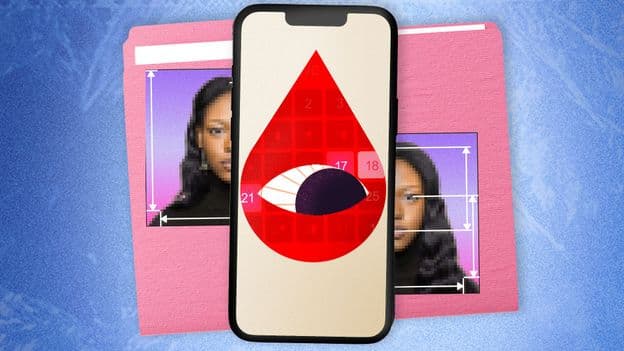
Many period tracking apps, including Stardust, claim to protect user privacy, but a new report reveals discrepancies in these promises. The Mozilla Foundation analyzed six popular apps and found that some share sensitive health data without clear user consent.
✦ Why It Matters
Engineers should implement stricter data privacy measures and transparent user consent protocols in health applications.
Key Takeaways
Full Summary
A recent report by Mozilla exposes privacy vulnerabilities in period tracking apps, revealing that some, like Stardust, share sensitive health data with external companies such as RudderStack, which processes user information without clear user consent. This data includes details about pregnancy status and symptoms, potentially making it accessible to law enforcement, especially after the overturning of federal abortion protections in the U.S.
While some apps, like Euki, prioritize user privacy by storing data locally on devices, others like Flo and Clue have faced scrutiny for their data handling practices. The report emphasizes the importance of understanding how these apps manage user data and the potential risks involved.
Users are encouraged to choose apps with strong privacy protections to safeguard their health information.
Related