EmbeddingGemma 2: an open, lightweight multimodal embedding model
deepmind.google·6d ago
TL;DR
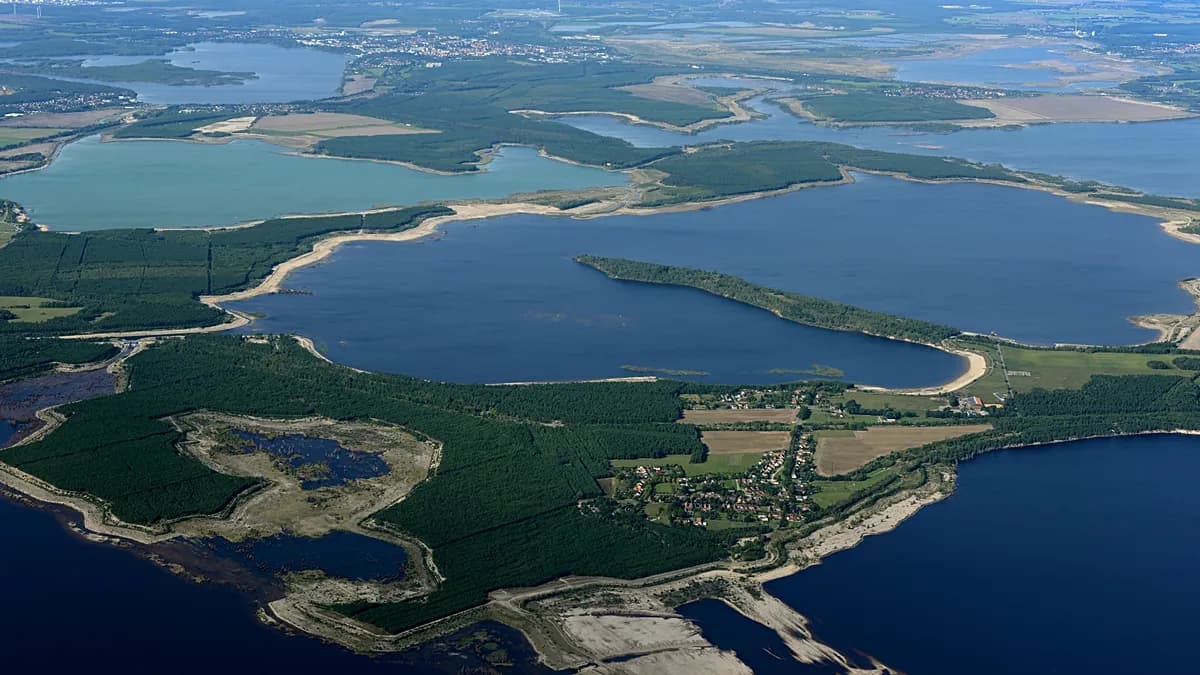
Germany is completing a transformative project that converts former coal mines into Europe's largest artificial lake landscape, the Lusatian Lakeland, which will open Lake Sedlitz for recreational use this April. This initiative not only creates a significant tourist destination but also addresses environmental restoration and water management needs.
✦ Why It Matters
Explore opportunities in sustainable tourism and environmental restoration in your region today.
Key Takeaways
Full Summary
The Lusatian Lakeland project in eastern Germany is a decades-long effort to convert disused coal mines into a vast network of artificial lakes, covering 14,000 hectares. The final addition, Lake Sedlitz, will be open for swimming and boating by the end of April, making it the largest recreational lake in the area.
The project, managed by the Lausitz and Central-German Mining Administration Company (LMBV), has cost around €7 billion so far, with an estimated €4.8 billion needed over the next 25 years. The lakes serve not only as tourist attractions but also as crucial water reservoirs for local rivers, especially during droughts.
By 2026, five lakes will be interconnected by navigable canals, enhancing water tourism and local economies, particularly benefiting the Czech market. This model of mining restoration and sustainable tourism development could serve as a blueprint for other regions facing similar challenges.
Related