EmbeddingGemma 2: an open, lightweight multimodal embedding model
deepmind.google·6d ago
TL;DR
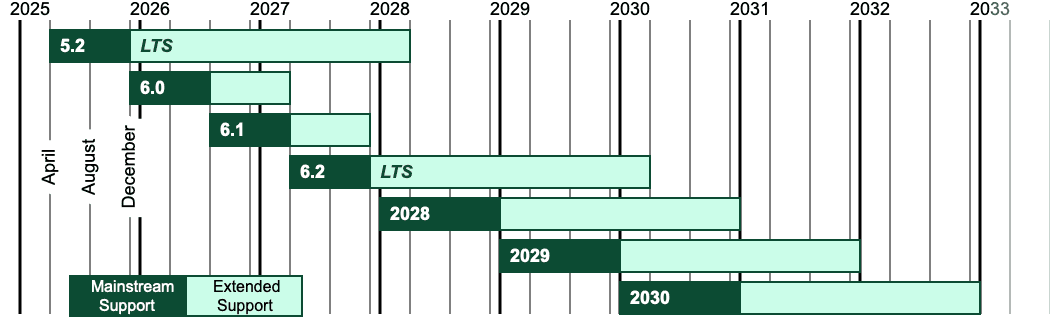
Django is transitioning to an annual release cycle starting January 2028, with each version receiving three years of support. This change aligns Django's release schedule with Python's annual updates, simplifying version management for developers.
✦ Why It Matters
Prepare for Django's annual release cycle by planning your upgrade strategy to align with the new support timeline.
Key Takeaways
Full Summary
Django's Steering Council has approved Django Enhancement Proposal DEP 20, which establishes an annual release cycle for the framework beginning in January 2028. Each feature release will now receive three years of support, including one year of mainstream bug fixes and two years of security updates.
This new schedule allows Django to support the three latest Python versions at the time of each release, improving compatibility as Python also follows an annual release pattern. The previous 'Long-Term Support' (LTS) label is retired, as every feature release will now have the same support commitment.
This change eliminates the pressure of upgrading through multiple versions at once, allowing developers to upgrade at their own pace within the support window. The first release under this new cycle will be Django 2028, with a clear timeline for future releases.
Related