BerriAI / litellm
github.com·3d ago
TL;DR
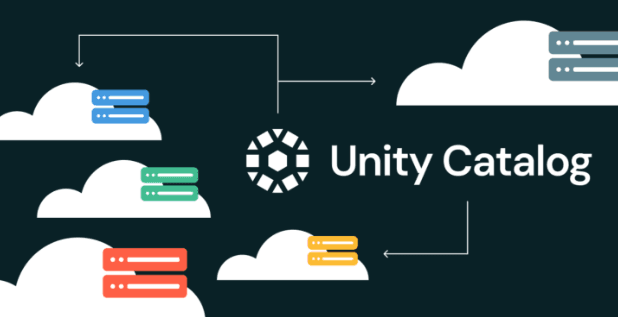
Databricks introduces Unity Catalog managed tables, allowing organizations to store data in their own cloud accounts while automating table management. This ensures data ownership and visibility, setting it apart from other platforms.
✦ Why It Matters
Start using Unity Catalog managed tables to maintain control over your data storage today.
Key Takeaways
Full Summary
Unity Catalog managed tables enable organizations to control their data storage by allowing them to use their own cloud storage accounts, such as S3, ADLS, or GCS. Unlike traditional data platforms that store data in provider-controlled environments, Databricks ensures that your data remains in your own account, giving you full ownership and visibility.
The managed tables automate various aspects of table management, including data layout, tuning, and cleanup, regardless of whether the data is in Iceberg or Delta formats. As tables evolve, Databricks applies optimizations automatically, streamlining data management processes.
This approach not only enhances data governance but also allows organizations to implement their own bucket policies and audit trails. The blog provides insights on how to select or modify the storage location for these managed tables.