EmbeddingGemma 2: an open, lightweight multimodal embedding model
deepmind.google·6d ago
TL;DR
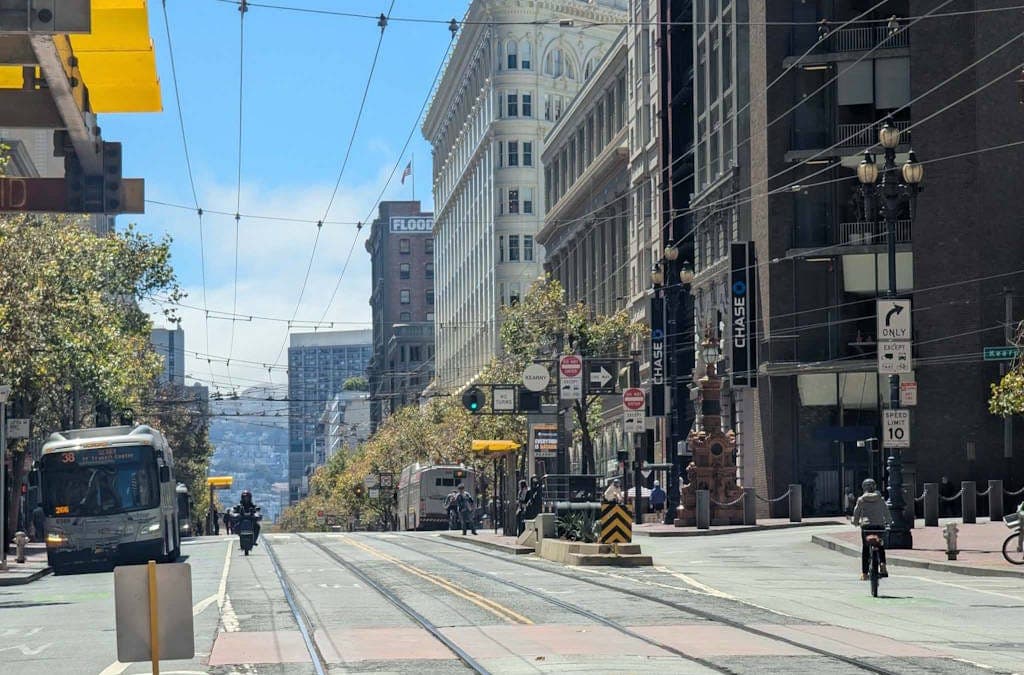
Market Street in San Francisco has transformed from a vibrant commercial hub into a desolate expanse of asphalt, largely due to the city's 2019 decision to close it to cars. This change has led to a significant decline in foot traffic and business activity.
✦ Why It Matters
Consider the impact of urban planning decisions on local businesses and community vibrancy in your area.
Key Takeaways
Full Summary
Market Street in San Francisco, once a vibrant center of activity, has become largely empty following the city's decision to close it to cars in 2019, a rise in crime, and the shift to remote work during the pandemic. This situation, referred to as the 'Doom Loop,' has led to a significant decrease in foot traffic and business closures.
By 2026, the iconic San Francisco Centre mall closed, symbolizing the area's decline. Although crime rates have begun to drop, and there are signs of recovery, such as increased demand for office space due to the AI boom, Market Street remains a dead zone with foot traffic down by half compared to 2019.
The car ban, while intended to promote pedestrian safety, has inadvertently contributed to the area's decline by making it less accessible for visitors. Without a shift in strategy to encourage pedestrian activity, Market Street's revitalization will take considerable time and effort.
Related