EmbeddingGemma 2: an open, lightweight multimodal embedding model
deepmind.google·6d ago
TL;DR
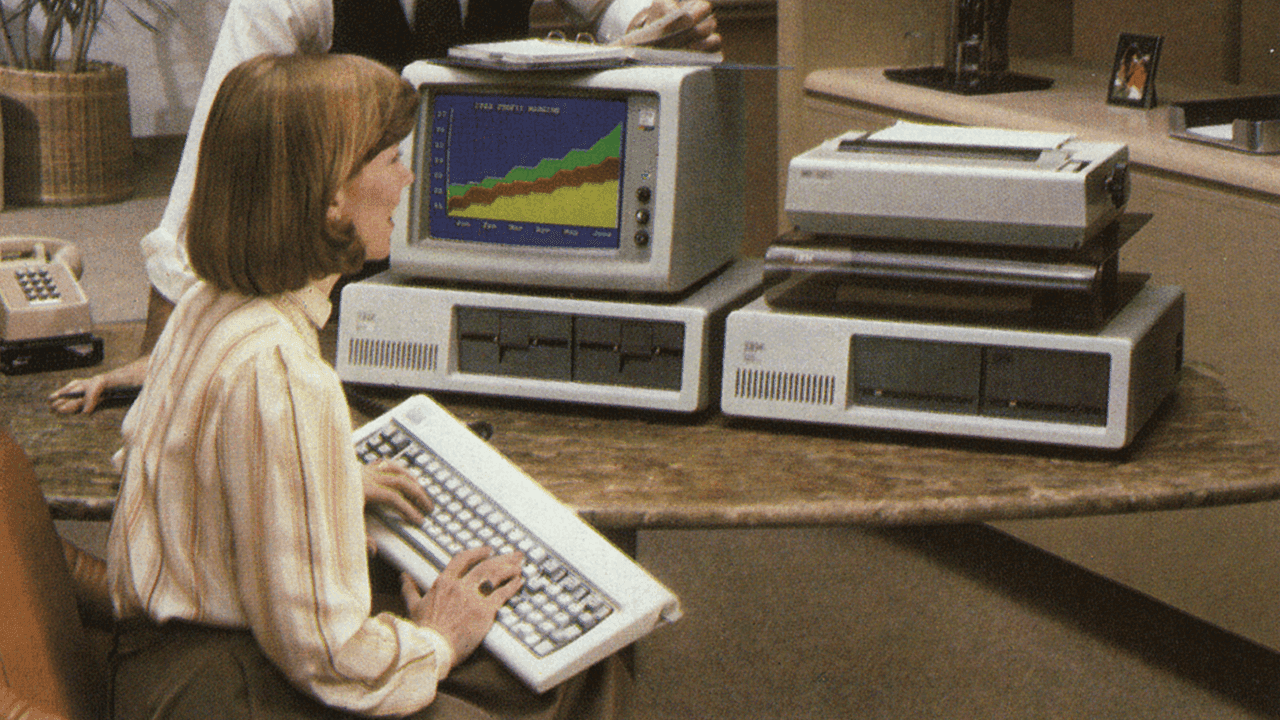
On August 12, 1981, IBM launched the Personal Computer (PC), revolutionizing computing with its x86 architecture and the influential Model F/XT keyboard. This marked the beginning of a new era in personal computing, driven by both IBM's innovations and the subsequent clone market.
✦ Why It Matters
Consider how historical innovations like the IBM PC can inspire your current projects in software development.
Key Takeaways
Full Summary
IBM's Personal Computer, model 5150, was introduced on August 12, 1981, marking a pivotal moment in computing history. It featured an open architecture and utilized the Intel 8088 processor, which allowed for widespread adoption and compatibility, leading to a thriving ecosystem of IBM-compatible clones.
The accompanying Model F/XT keyboard, known for its robust design and capacitive buckling spring technology, became a benchmark for quality in keyboard design. The development of the PC was expedited by a small team that operated outside IBM's traditional processes, allowing them to meet a tight one-year deadline.
The keyboard's design was influenced by earlier IBM products, including the Datamaster, which helped establish the layout and functionality. This combination of innovative hardware and design principles laid the groundwork for the enduring popularity of the x86 architecture.
Related