EmbeddingGemma 2: an open, lightweight multimodal embedding model
deepmind.google·6d ago
TL;DR
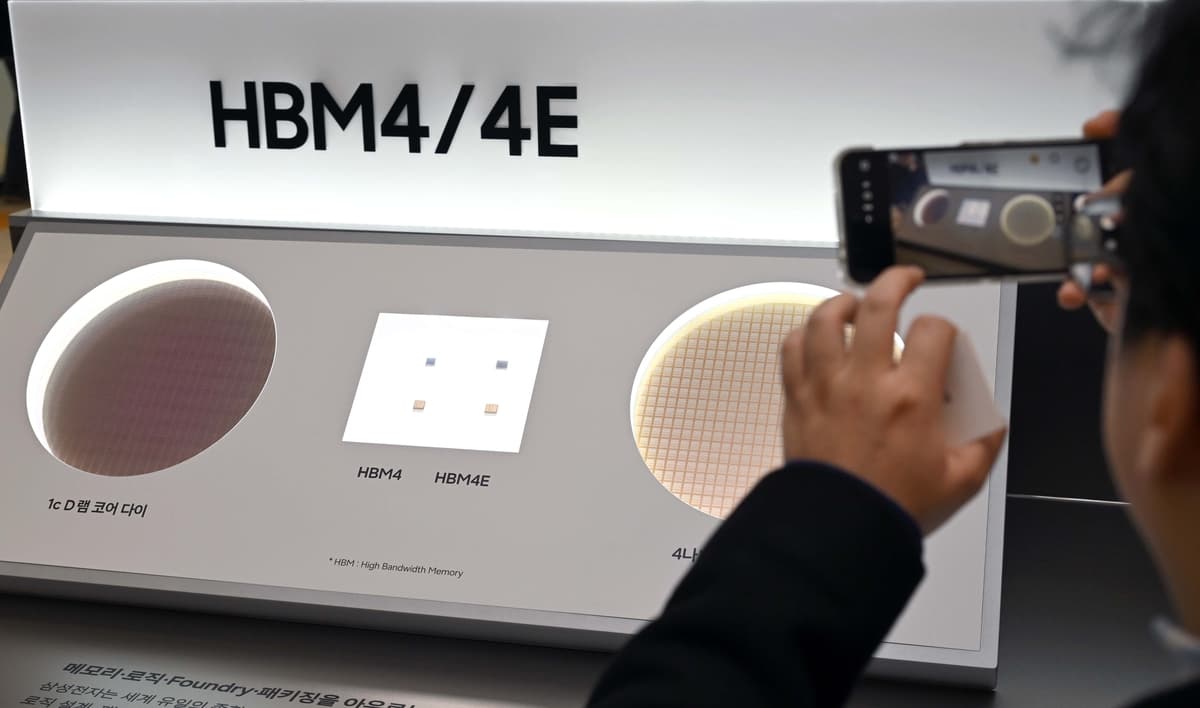
Samsung Electronics plans to more than double its output of HBM4 and HBM4E high-bandwidth memory chips next year, driven by a significant increase in demand for glass carriers. This expansion is expected to enhance the production of advanced memory solutions for high-performance computing applications.
✦ Why It Matters
Evaluate your current memory solutions to leverage Samsung's upcoming HBM advancements for high-performance applications.
Key Takeaways
Full Summary
Samsung Electronics is set to significantly increase its production of high-bandwidth memory (HBM) chips, specifically the sixth-generation HBM4 and seventh-generation HBM4E, by more than double next year. This growth is fueled by a 2.5-fold increase in demand for glass carriers, which are essential supports that stabilize DRAM wafers during thinning processes.
The company plans to ramp up its outsourced cleaning of these glass carriers from 20,000 sheets to 50,000 sheets per month. As a result, HBM production is projected to rise from approximately 180,000 wafers this year to around 250,000 wafers next year.
The HBM4 family is expected to dominate shipments, increasing from 40% to 80% of the product mix. This strategic focus on HBM4, a high-value product, indicates Samsung's commitment to advancing its memory technology.
Related