BerriAI / litellm
github.com·3d ago
TL;DR
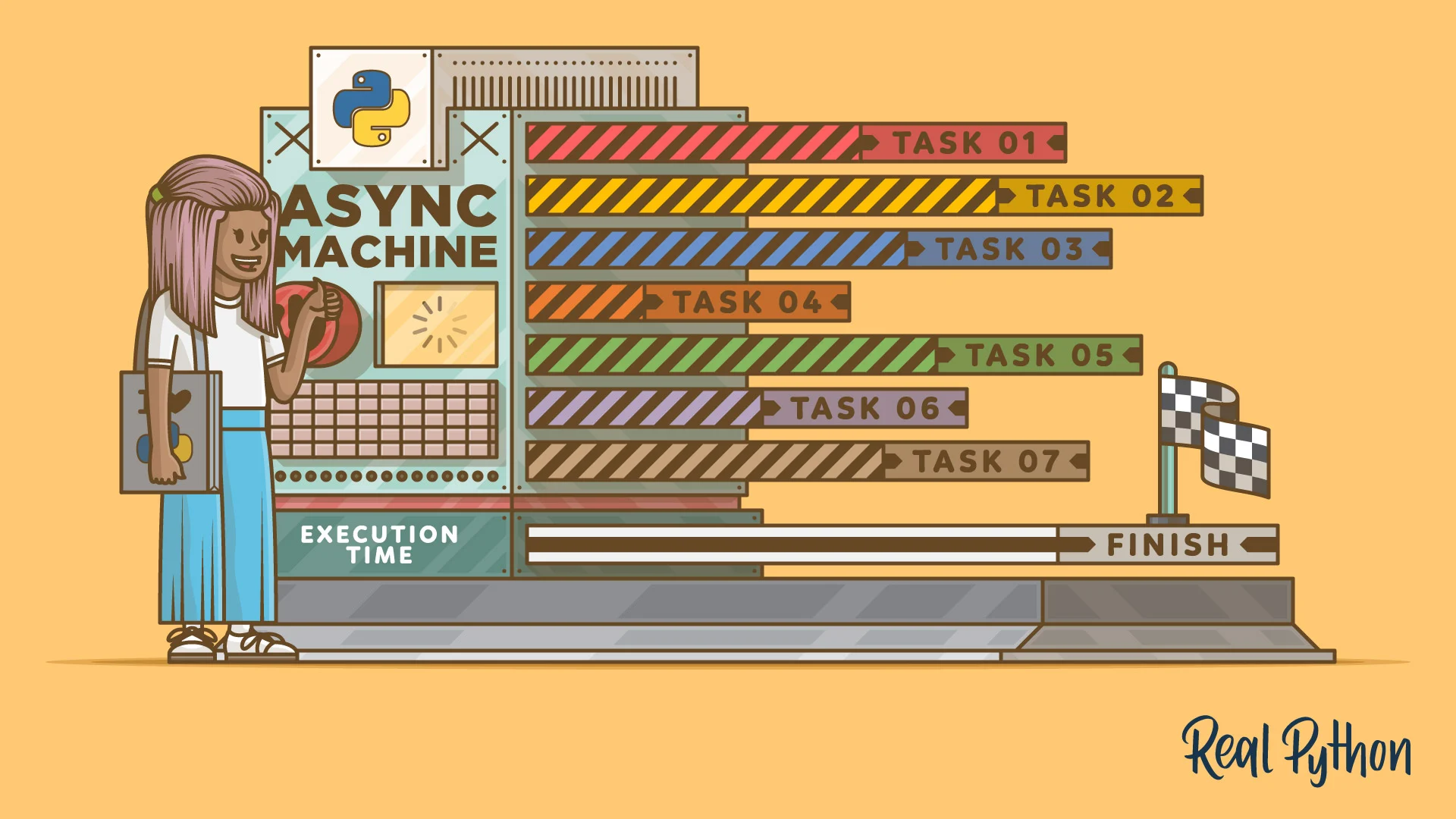
Python's async programming allows single-threaded applications to remain responsive while waiting for slow operations, enhancing efficiency. This tutorial guides you from synchronous code to using async functions and the asyncio library.
✦ Why It Matters
Start using async functions in your Python projects to improve responsiveness during I/O operations.
Key Takeaways
Full Summary
Asynchronous programming in Python enables developers to write code that can handle multiple tasks without blocking the execution of the program. By using the 'async def' syntax, developers define asynchronous functions that return coroutines, which must be awaited or scheduled on an event loop to execute.
This tutorial starts with basic synchronous code and gradually introduces concepts like generators and the asyncio library, illustrating how they can be used to manage I/O-bound tasks effectively. The approach emphasizes understanding the transition from synchronous to asynchronous programming, highlighting the benefits of non-blocking operations.
By the end, readers will grasp how to implement async programming to improve application responsiveness and performance.